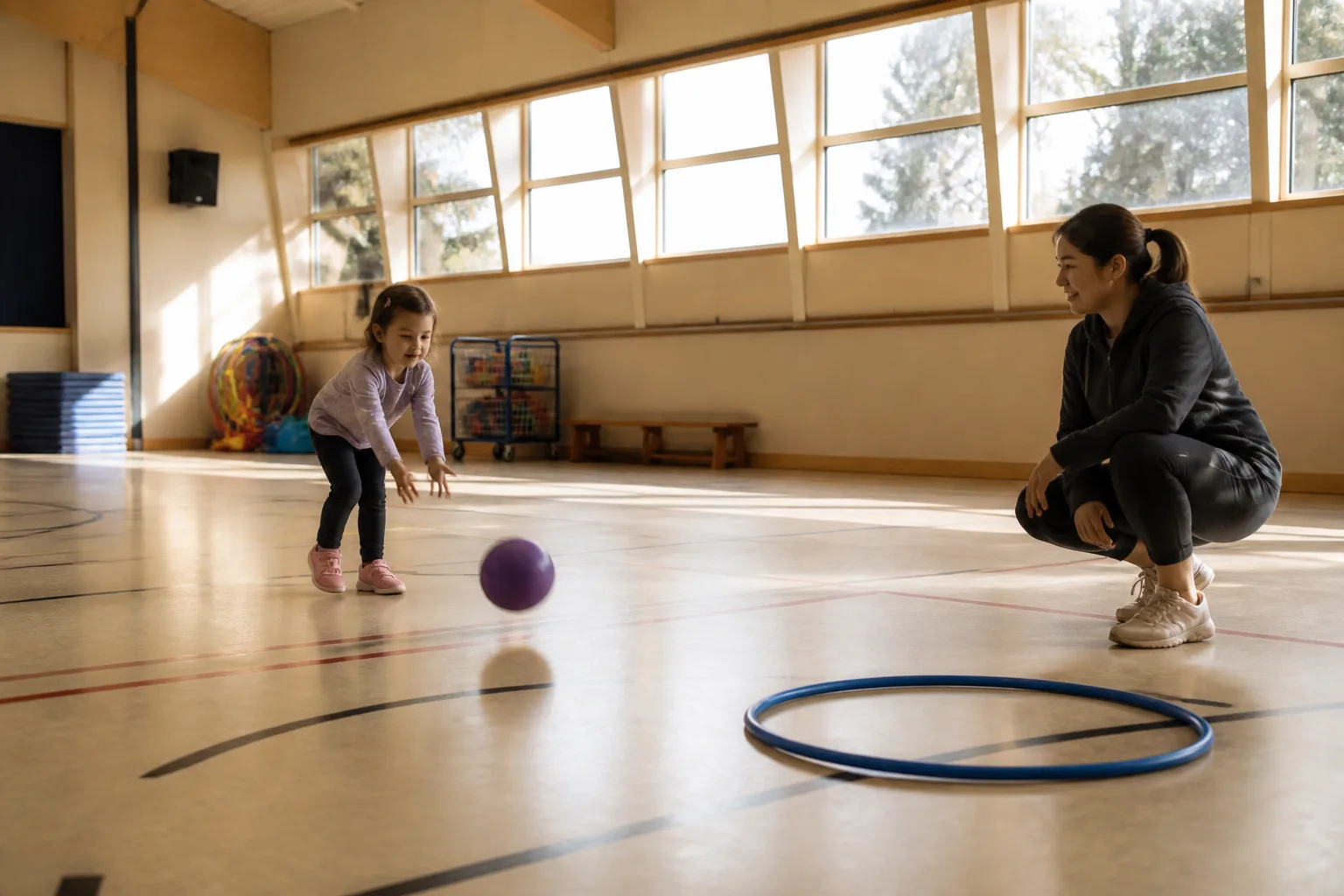
A first sports session can be an introductory trial, a skill assessment, or just a regular class. Before you head out, ask the organizers which one it is, where kids should assemble, and if you need to stay nearby or can drop them off.
Before activity begins
Check-in and equipment
Make sure you have the exact venue, entrance, and meeting point. Arriving at the requested time is important so staff can finish registration and show you around the space. Only bring what the programme specifically asks for, such as particular footwear, clothing, water, or equipment. If your child has any health or access needs, use the programme's official process to tell the coach beforehand.
Grouping
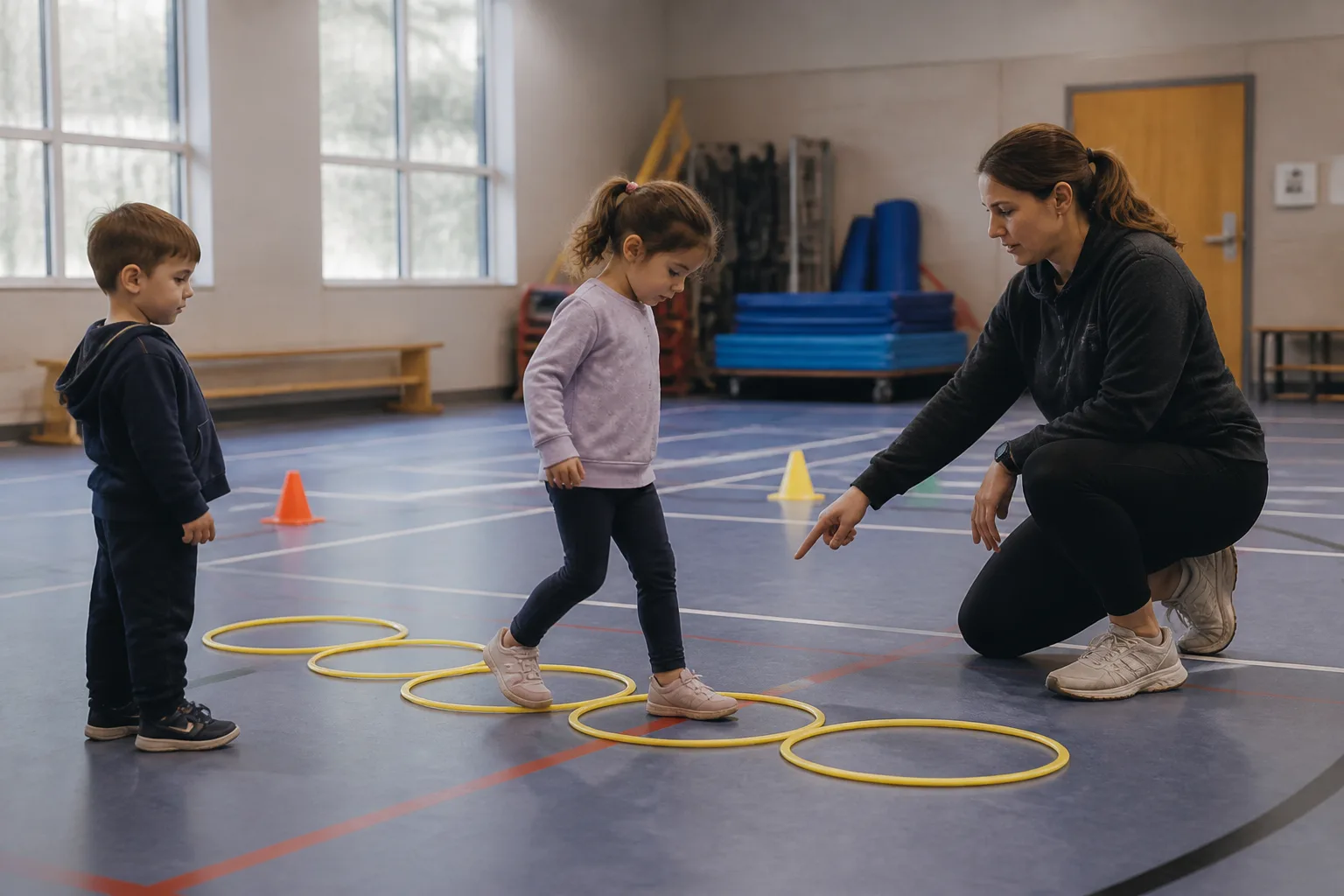
It is worth asking if children are placed into groups before they arrive or if they are observed during the session. Groups are often decided by age, size, experience, or current skill level. You should also find out what the process is if the initial group doesn't turn out to be a good fit for your child.
During the session
A typical class usually follows a rhythm of an explanation, a warm-up, technique practice, turns on equipment, a game or challenge, and a closing check-in. The balance of these things will change depending on the activity. You might want to ask how much active time the kids actually get and how coaches manage children who are waiting their turn.
Rules and safety
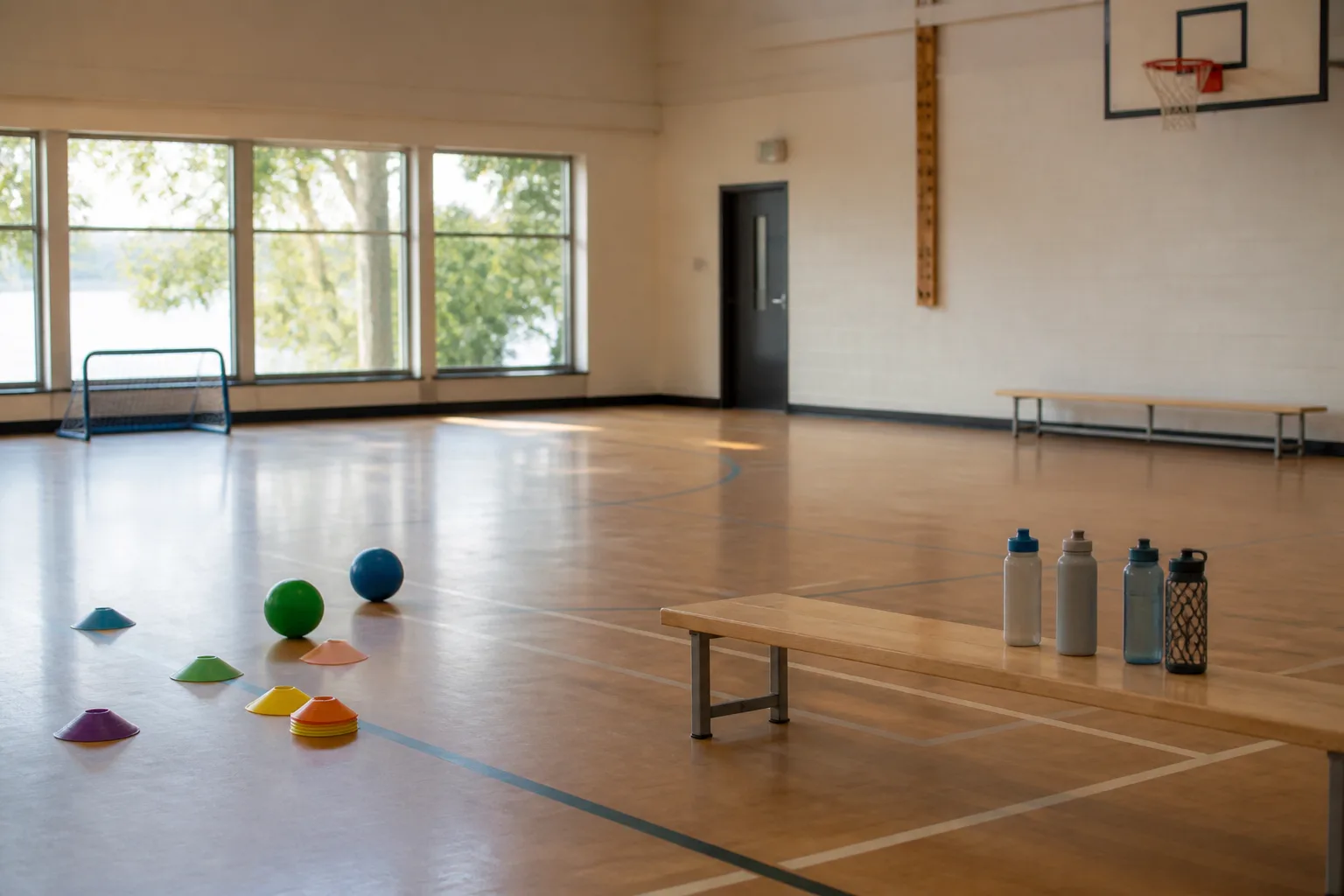
Children should master the rules and basic technique before they start increasing the difficulty of the drills. Ask the instructors how they supervise attempts, how they ensure protective equipment fits correctly, and how they respond to injuries. If the activity involves a risk of falling or colliding, check what the programme's concussion process is. If a concussion is suspected, the child must stop and receive a medical assessment instead of jumping right back into the action.
Pickup and follow-up
Know exactly where and how children are released at the end of the session. It is a good idea to check your messages for any venue or schedule changes before the next session begins. When talking to your child, ask about the instructions they received, the coach's feedback, how they felt about the group, and if they experienced any pain. Try not to judge whether the session was a success based solely on whether they completed every single task.
Before registering further
Before committing long-term, review the schedule, attendance rules, equipment requirements, and progression paths. Check the full fees and confirm that the instructor and venue will remain the same. UBC Active Kids in Vancouver, Ninja X Academy in Richmond, and My%20Gym%20Langley are good places to start if you are using a directory. Always confirm the specific activity, age group, venue, and first-day procedures directly with the provider.
Interpret the first session
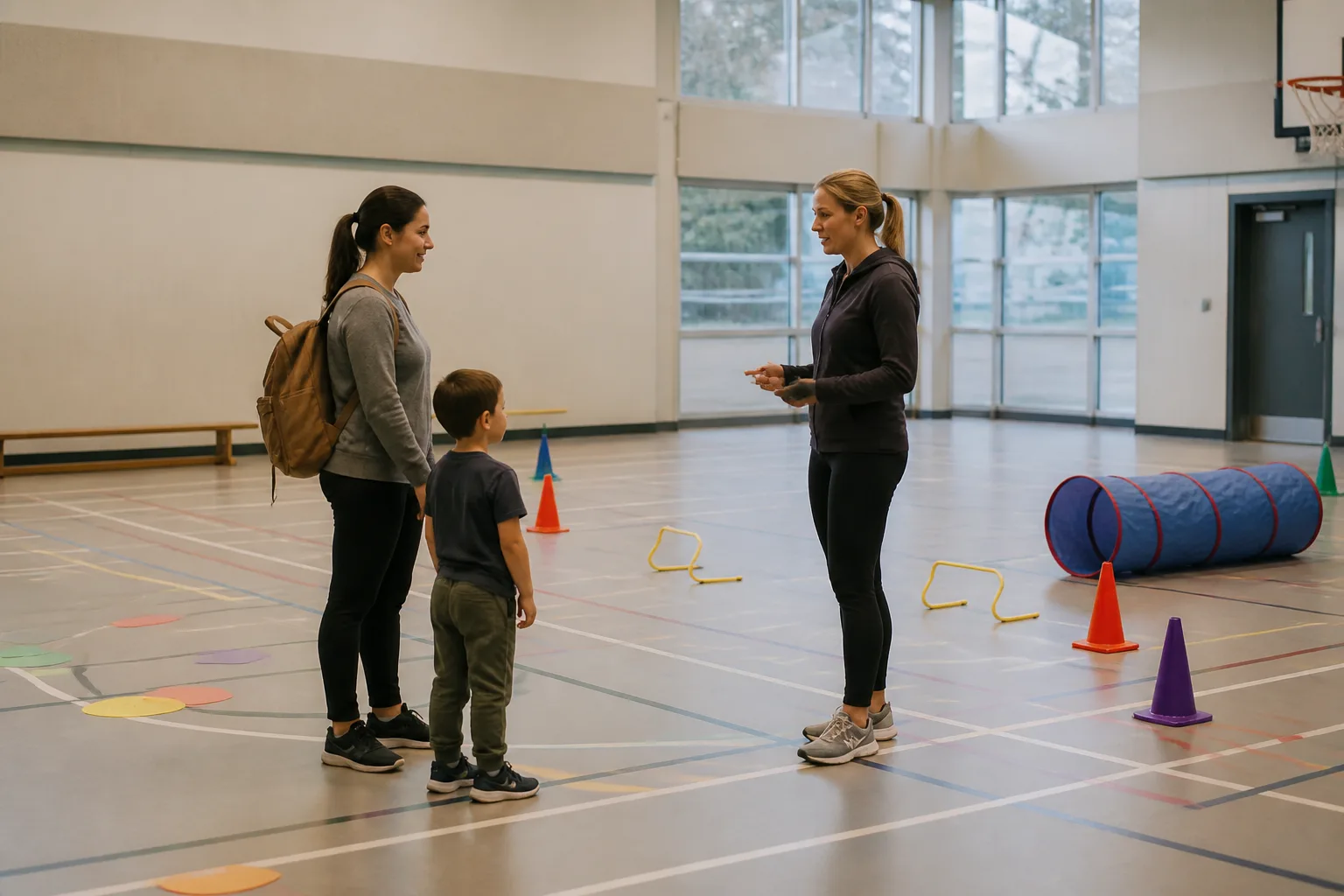
If a child spends a lot of time waiting, they might be learning how to take turns, or the session might simply have too few active stations; it is worth asking the coach which it is. Similarly, a child who completes every task perfectly might still need clearer feedback to improve. Ask the coach what they observed and what they plan to change for the next session. Use specific questions when talking to your child, such as: "Did you know where to go next?" or "What did the coach say when something was hard?"
Watch how the handoff works at the end of the session. Large facilities often release multiple groups at once, so confirm the exact pickup point and the authorized adult for pickup. For those looking at Vancouver, Richmond, and Langley options, consider whether the travel time and the time needed for changing allow your child to arrive fed, calm, and on time. It is usually best to wait and reassess after several sessions before you buy expensive optional gear or commit to a long-term competitive pathway.