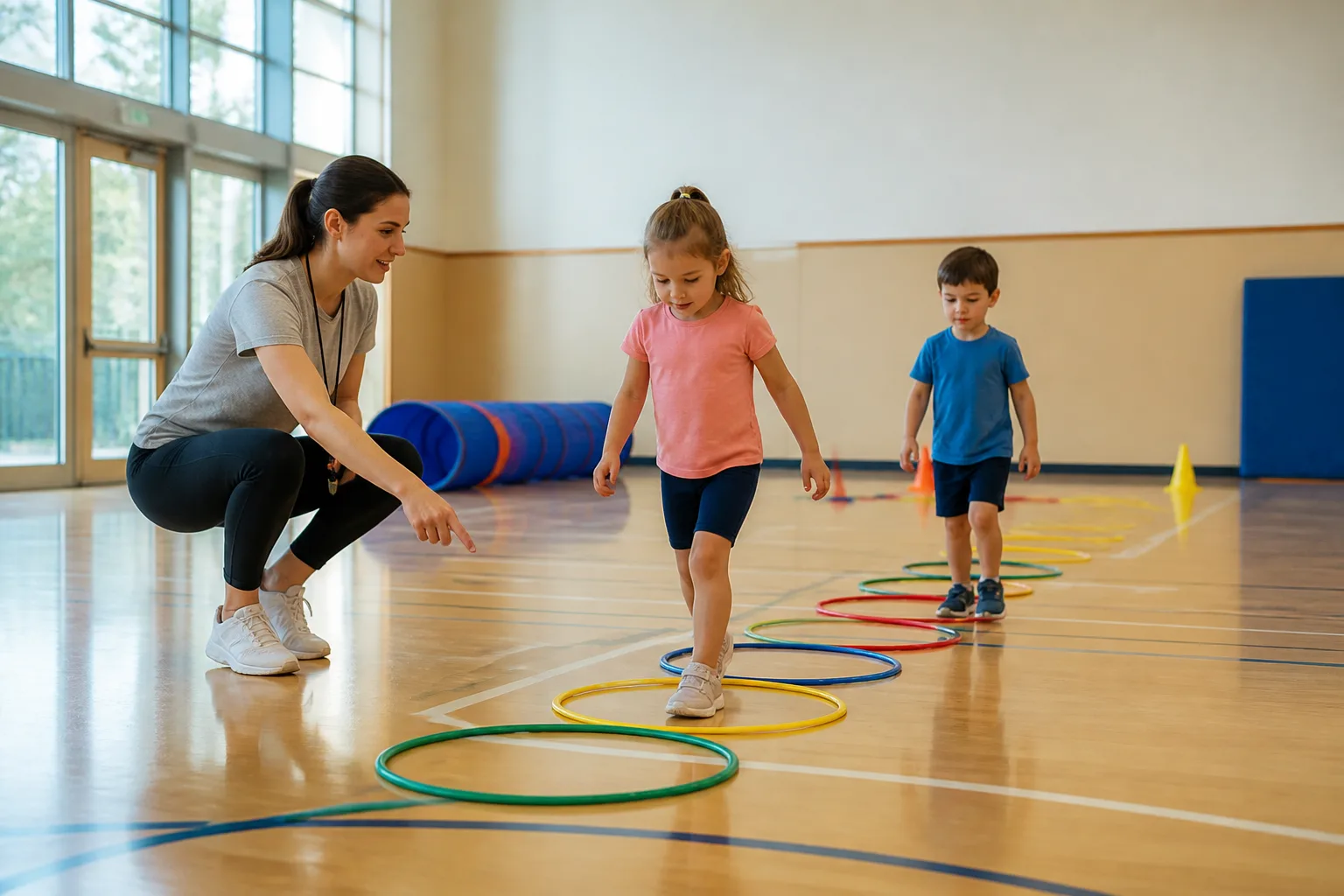
Instead of trying to rank every activity on a single competitive scale, you should compare programme structure. A child might be choosing between an introductory movement session, a coached skill class, or organised games. These are fundamentally different weekly experiences that serve different purposes.
Multi-activity introductions
What children sample
When looking at these, find out what activities are actually included and how often the schedule changes. You want to know if the programme builds transferable movement skills or if it just offers variety for variety's sake. Check how much time is lost during equipment transitions and how coaches handle children who are brand new to a specific activity.
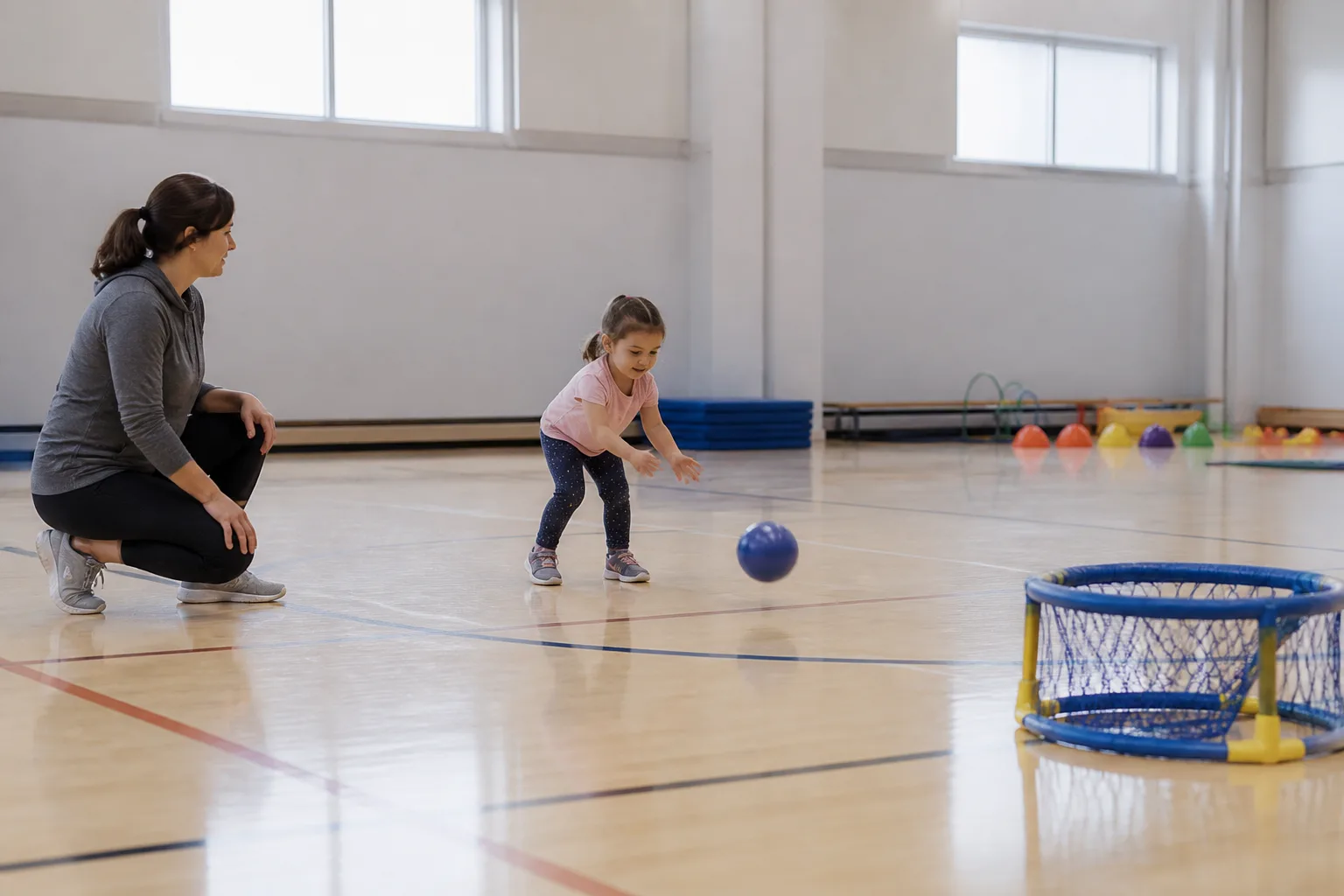
Skill-focused classes
Technical classes like parkour, ninja, or climbing usually happen in purpose-built spaces and follow a specific progression. You need to ask which skills a beginner learns first, how prerequisites are assessed, and how much time is spent waiting in line. It is also worth checking how instructors manage attempts on equipment. Decide whether the actual goal of the class is recreation, assessment, or preparation for specific events.
Team or game-based programmes
For team sports, ask if the teams remain stable or if rosters change. You also need to know if games are played internally or involve travel, and how playing time is managed. Don't rely on a "recreational" label to tell you the whole story; it won't tell you if there are expectations regarding uniforms, weekend travel, or strict attendance. Record the practice schedules and the game schedules separately to see the true time commitment.
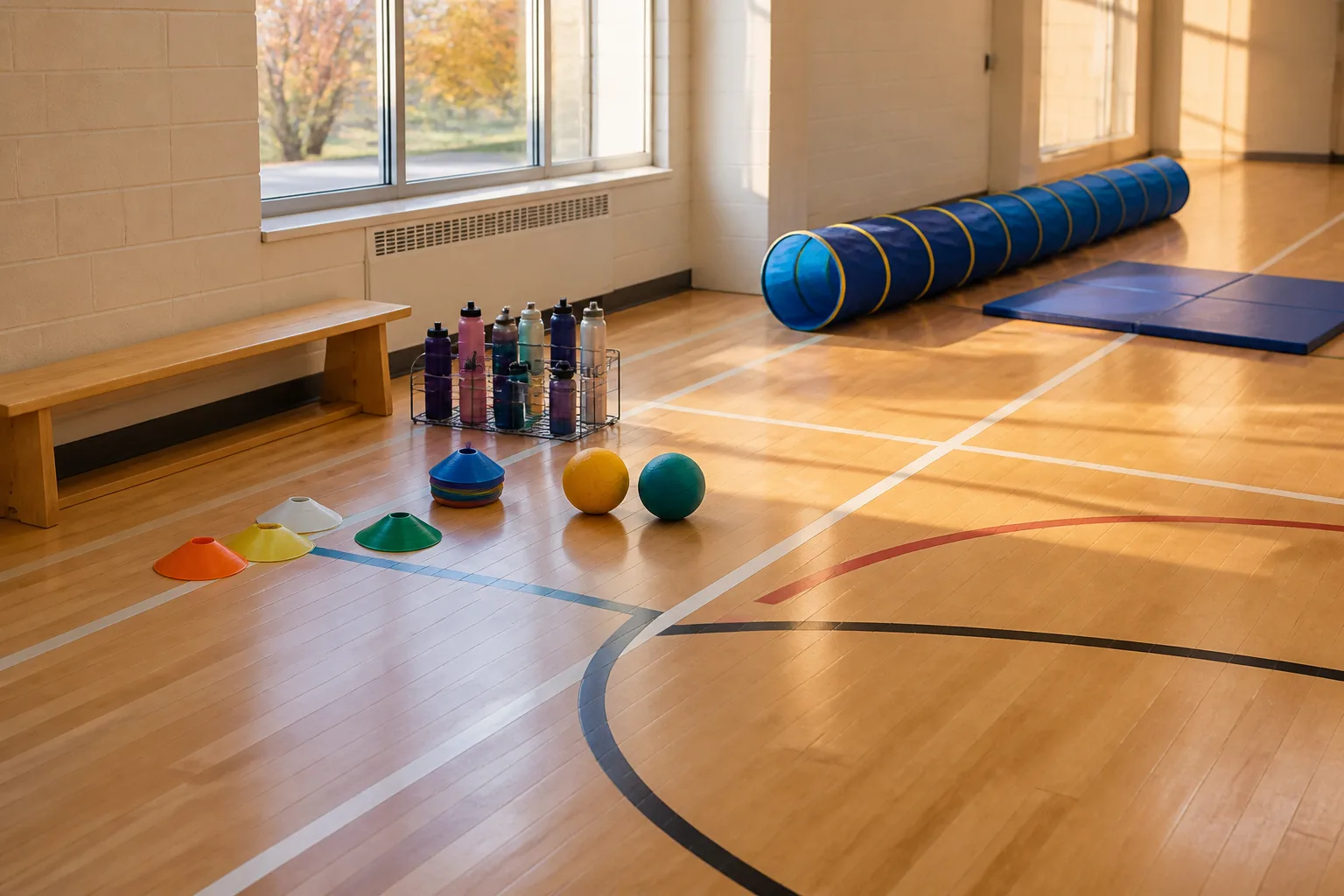
Private or small-group instruction
These sessions can focus heavily on a single skill or provide a much quieter environment. However, you should ask how goals are set and how progress is reviewed. Compare the actual amount of instruction and practice time provided rather than assuming a small group size automatically means a better fit for your child.
Compare the same dimensions
For every programme you consider, record the goal, group method, coach role, active time, venue, equipment, safety processes, schedule, and total cost. It is also important to ask how a child moves to the next level and whether that transition increases their weekly time commitment.
Momentum Movement Academy in Port Coquitlam and Ninja X Academy in Richmond are retained parkour/ninja directory options. UBC Active Kids in Vancouver covers broader physical-activity and sports programmes; confirm the particular activity, age group and venue. Use these differences to form specific questions rather than trying to create a direct quality ranking.
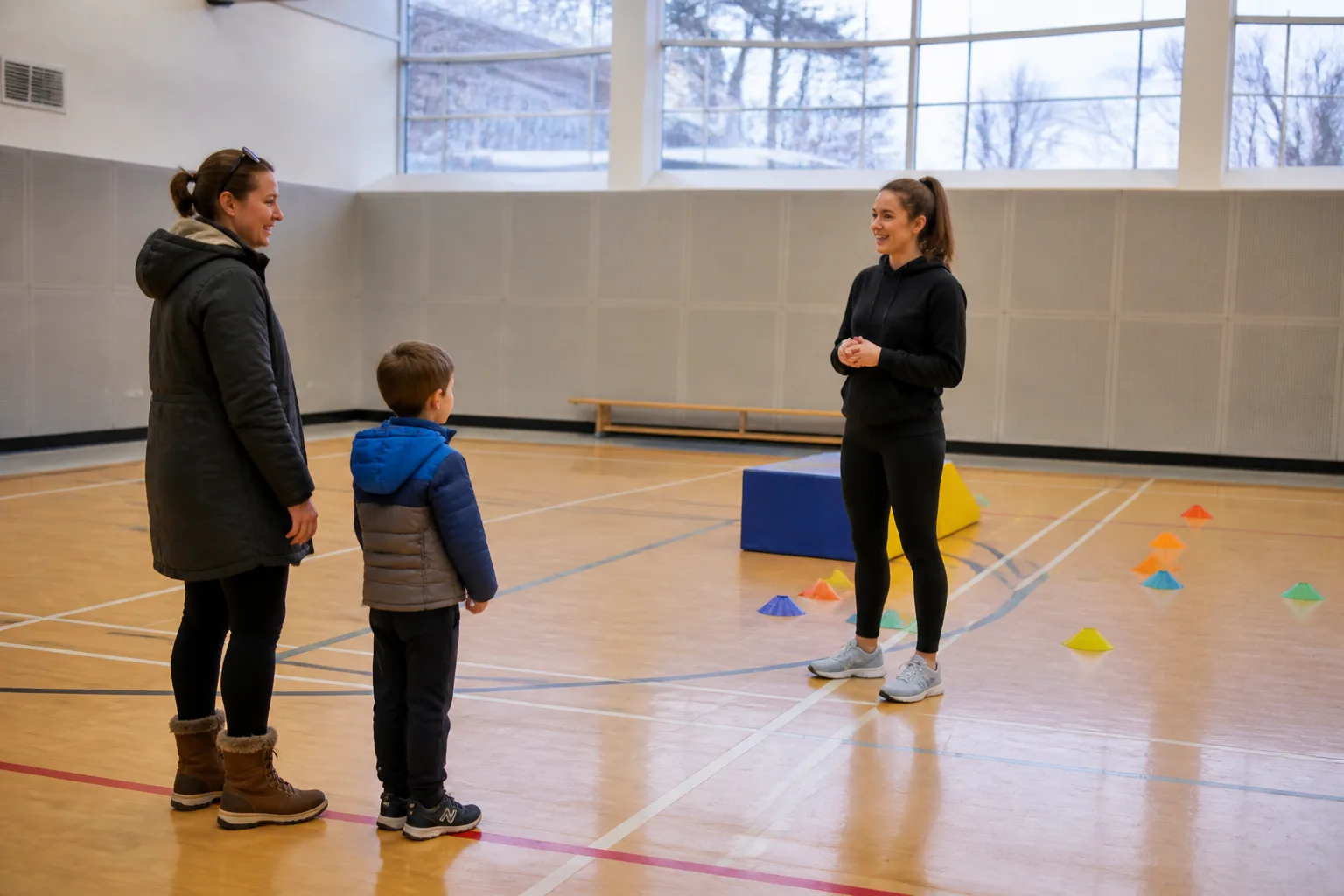
Compare the child's actual minutes
Look at how a 60-minute session is actually spent. How much is explanation, how much is warm-up, and how much is spent on turns, independent practice, or games? A small technical class can still involve a lot of waiting, while a larger group can sometimes keep several stations active at once. Observe the actual movement rather than assuming quality based on group size alone.
Create two different scenarios to test the options. For a cautious beginner, look at the pace of introduction, how visible the coach is, and whether the child has permission to step back. For an experienced child, look at the progression, the quality of feedback, and whether they can access challenges without being placed in unsafe situations. Factor in the recurring travel to Port Coquitlam, Richmond, or Vancouver and any weekend event requirements. Rank the options based on the child as they are right now, but set a date to review the choice later, because the format that works now might change as their confidence and skill grow.