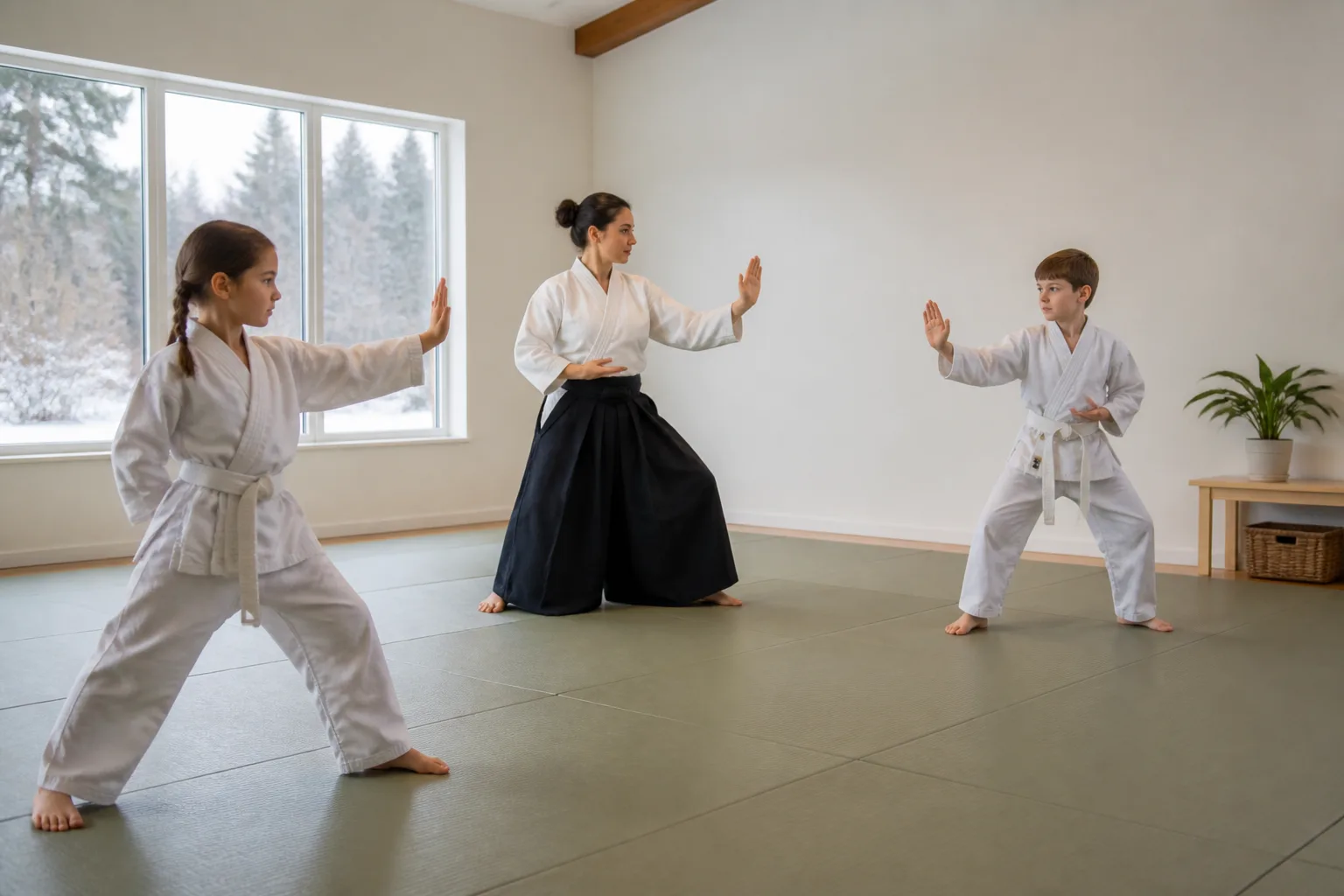
Don't pick a class based on a style name or how much the instructors' adult programs are respected. Instead, look at the specific children's class. The teacher's approach, the level of physical contact, the schedule, and how they handle progression are what actually determine your child's weekly experience.
Clarify the family's goal
Recreation, skill progression or competition
You need to know if the class is an introductory recreational program, a structured rank curriculum, or something geared toward competition. Ask what the school expects in terms of attendance and practice. A kid who is just curious about movement will need a very different environment than a child who is actively seeking tournaments.
Match the teaching environment
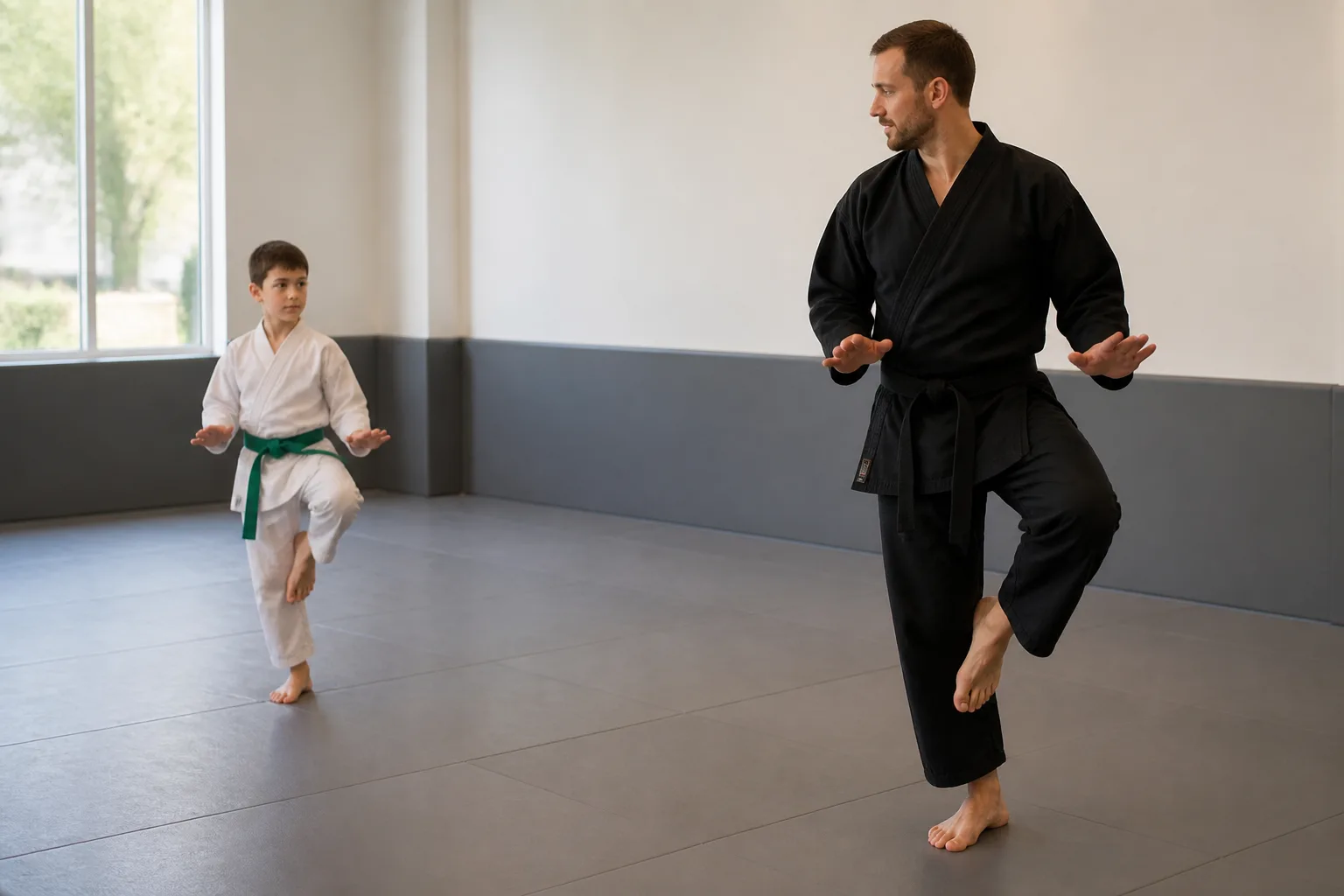
Ask how instructions are demonstrated, how mistakes are corrected, and how they enforce behavior rules. Find out if the teacher explains physical boundaries before doing partner work and what the protocol is if a child does not want contact. Watch how the beginners and the confident students share the same room.
Understand what children actually practise
You cannot assume what the curriculum is just by looking at the business name. Ask if the class uses forms, striking pads, grappling, throwing, partner drills, conditioning, or a mix of those things. Ask specifically when sparring begins. It is also important to confirm how children are grouped—whether it is by age, size, experience, or something else.
Test the weekly routine
A family in Queensborough will have different practical needs than a family in Willoughby. Check the exact branch, the travel time after school, the arrival time, and what the parent's waiting and pickup situation looks like. You should also include the possibility of extra days for grading, events, or competitions before you commit.
Review progression and communication
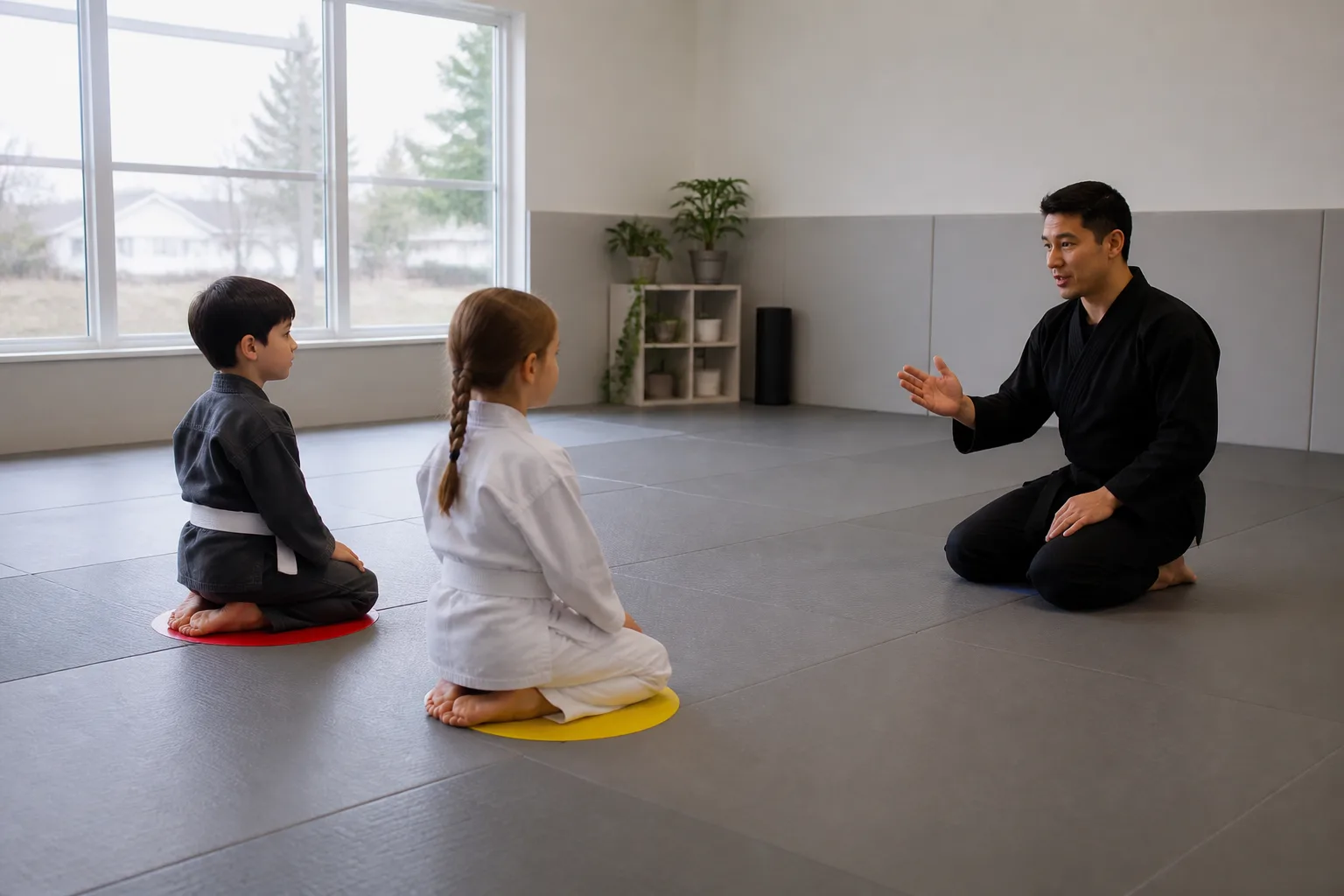
Ask how instructors decide a child is ready for a new skill or rank and how they communicate that progress. Confirm whether testing is required, how often it happens, and what occurs if the child is absent or not ready.
Compare the complete agreement
Get the membership period, cancellation terms, tuition, uniform costs, required protective gear, testing charges, and any optional event costs in writing. A short trial is a good way to check the fit, but it isn't the actual ongoing contract.
Hawkes Martial Arts in New Westminster and Revolution MMA in Langley are examples of directory options. Always confirm the current children's class and discipline directly rather than assuming the kids' program is the same as their adult offerings.
Compare one ordinary lesson in detail
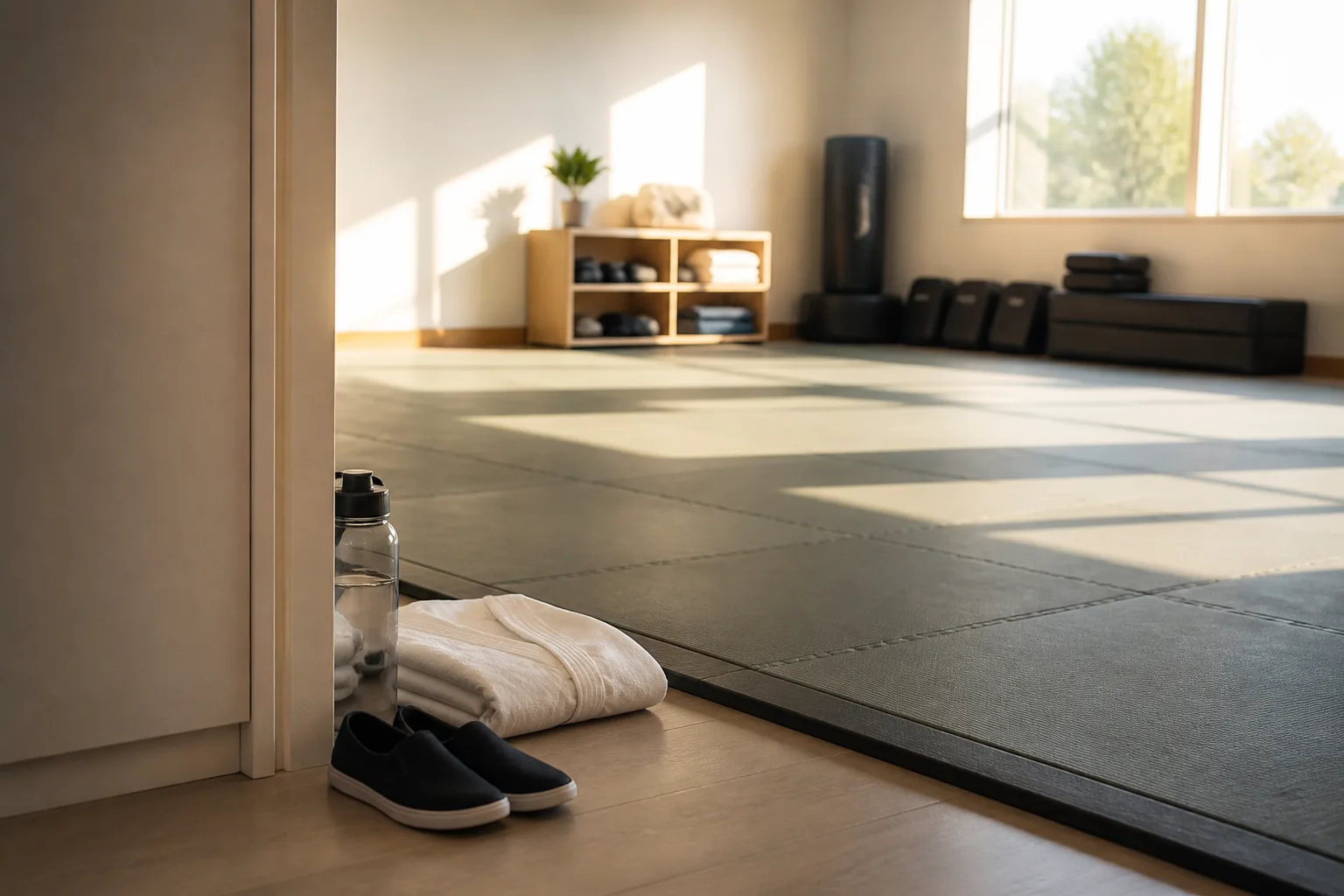
Ask each school to break down a normal class: arrival, warm-up, instruction, individual practice, partner work, and closing. Then ask what changes for a child in their first month. This question reveals if a "beginner class" is a dedicated introduction or just a new student being dropped into an established group.
Use a decision card with five non-negotiables: the child understands how to stop, the contact level is clear, the teacher corrects disrespectfully, travel works even on a difficult week, and the contract is understood. Score the actual class after a trial. A child might be impressed by advanced students but still need a slower-paced group; conversely, a quiet child might really enjoy structured partner work. Choose based on the observed fit rather than marketing claims that a specific discipline produces a specific personality.