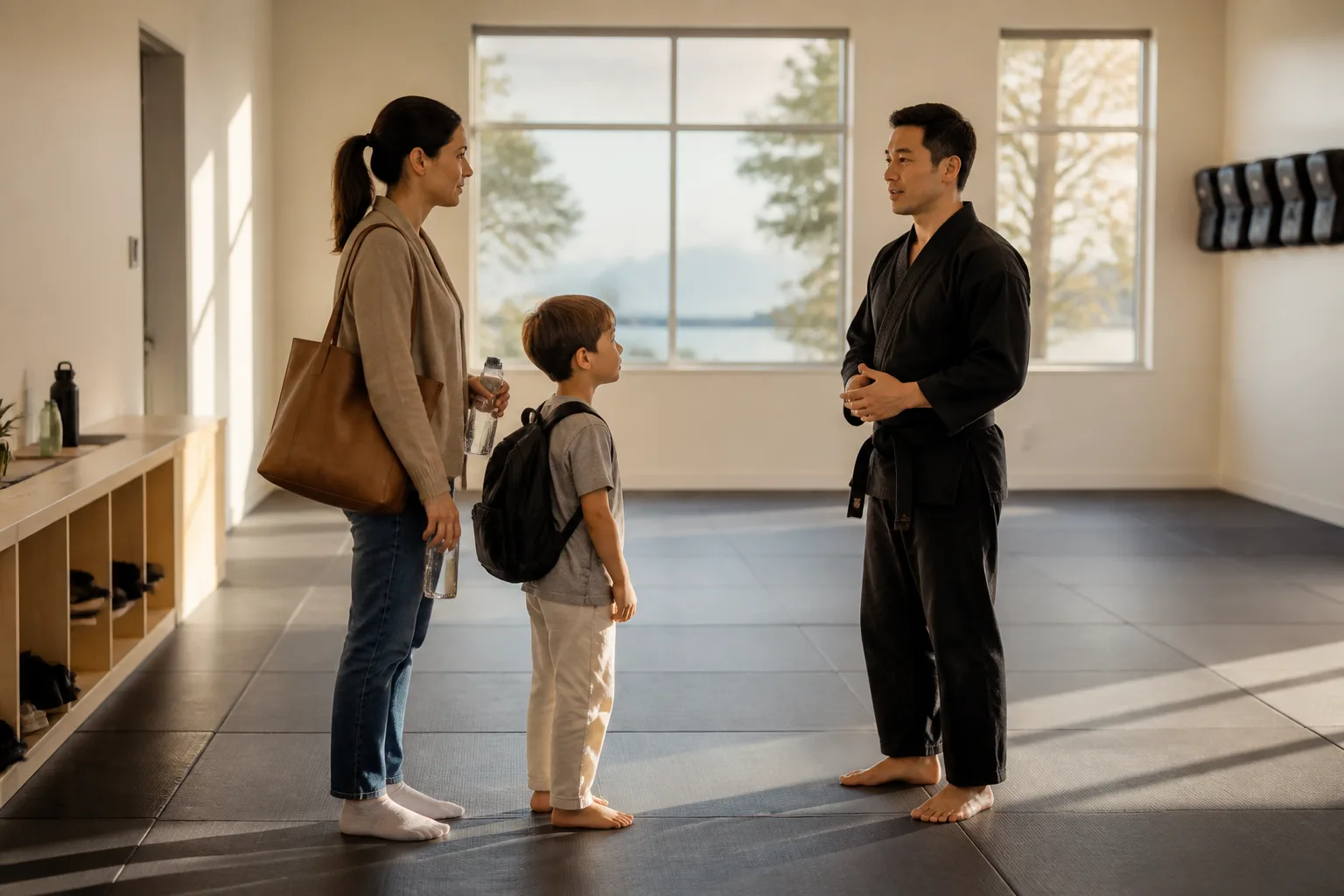
The goal of a first class is simple: figure out if the kid understands the instructions and feels comfortable in the environment. Don't go out and buy a full kit or protective gear until you have confirmed the practical details first.
Before booking a trial
Identify the exact programme
You need to know exactly what you are signing up for. Confirm the specific discipline, the age group, the experience level, the instructor, the location, and the exact class time.
Ask the school these specific questions: * Is this session a formal observation, a private introduction, a trial, or just a standard group class? * Does this specific level involve partner contact, grappling, striking equipment, or sparring? * How do they group the children, and how are partners chosen?
Understand family access
You need to know the logistics of the building. Check the entrance and meeting points, where they want you to store shoes and belongings, and whether parents are expected to watch from the sidelines or leave the child to the class. Ask how younger children are released once the session ends.
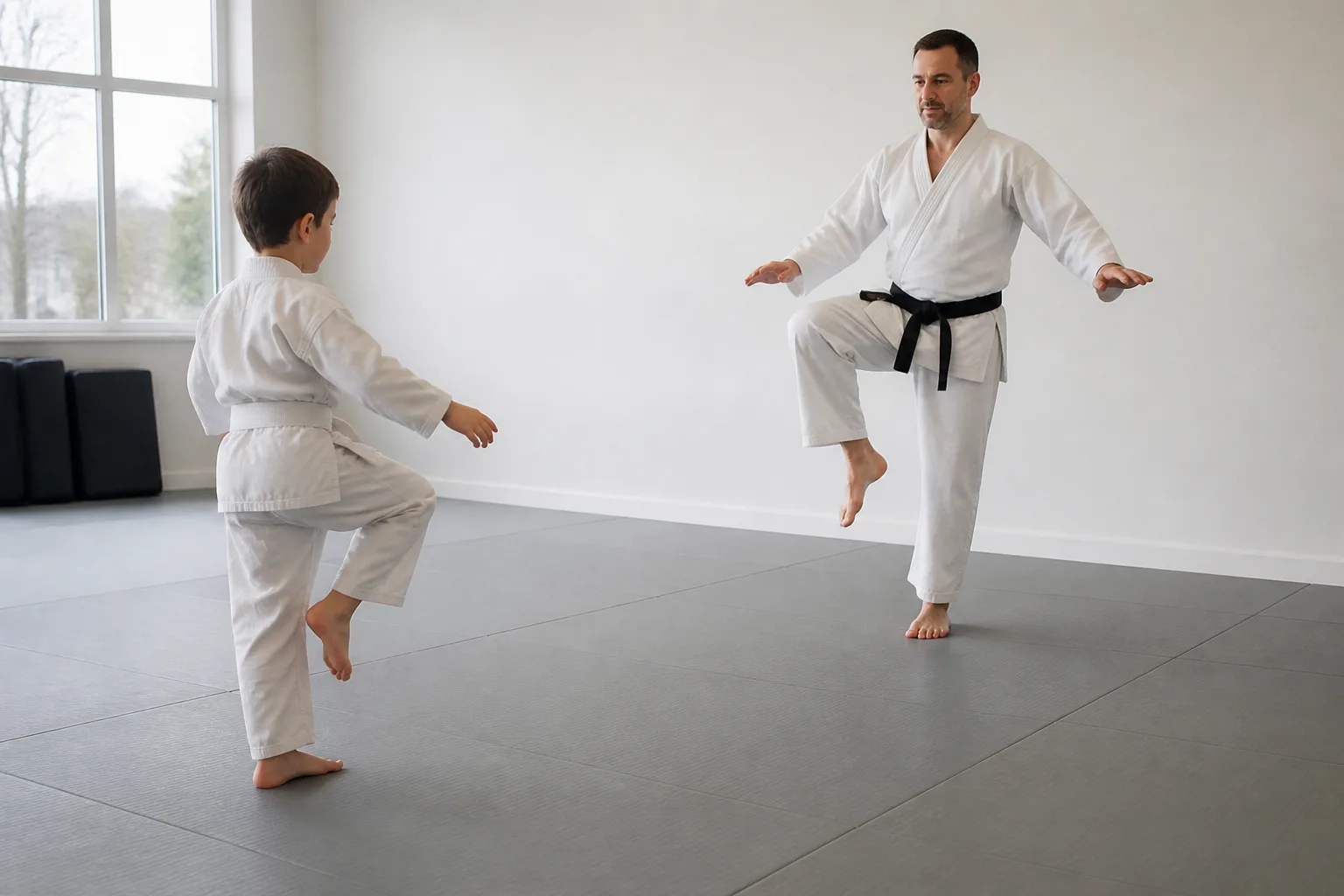
If your child has specific health, communication, or access needs, use the school's standard process to tell them before you arrive.
Clothing, hygiene and equipment
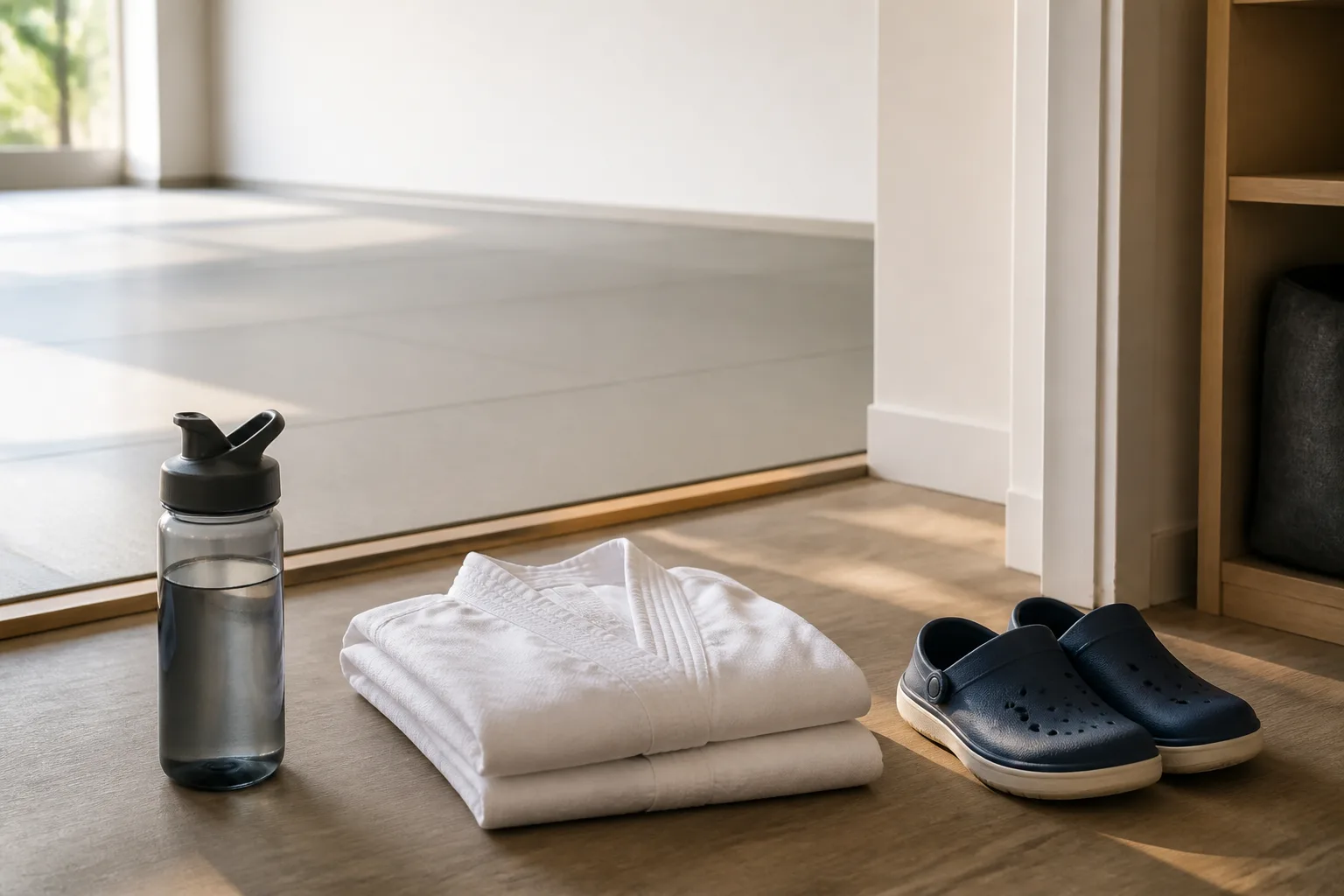
Don't buy a uniform until the school tells you exactly which style and sizing they require. Ask what the child should wear for the first time.
You should also ask: * Is there equipment available to borrow for the trial? * How is shared equipment cleaned? * What specific protective gear will be necessary later? * Do they require jewellery to be removed?
If they allow it, send a water bottle that is clearly labelled.
Prepare the child
Explain the general flow of a class to your child: it usually involves a bow or greeting, a warm-up, technique demonstrations, individual practice, and partner drills. However, you should ask the school for their specific routine so you can describe it accurately. Most importantly, tell your child exactly who they should approach if a movement hurts or if the contact feels uncomfortable.
After the first session
Once the class is over, check in with your child. Ask what they understood, how the feedback from the instructor felt, and if the partner work was comfortable.
If they want to continue, ask the instructor if they recommend a specific class level. Before you actually enroll, ask for the full schedule, the attendance policy, the progression system, and a complete breakdown of all expected fees.
Revolution MMA in Langley and Hawkes Martial Arts in New Westminster are good starting points for your search. Contact them directly to verify their current children's programme and what is required for the first class.
Questions before paying
A promotional trial is a snapshot, not a full picture of the commitment. Before you pay any membership fees, confirm: * The length of the membership term and the cancellation notice required. * The total cost of uniforms and equipment. * Any additional fees for grading or testing. * Expectations for events and the policy for make-up classes.
Audit the first month
The first few weeks are for observing how the program actually works in practice.
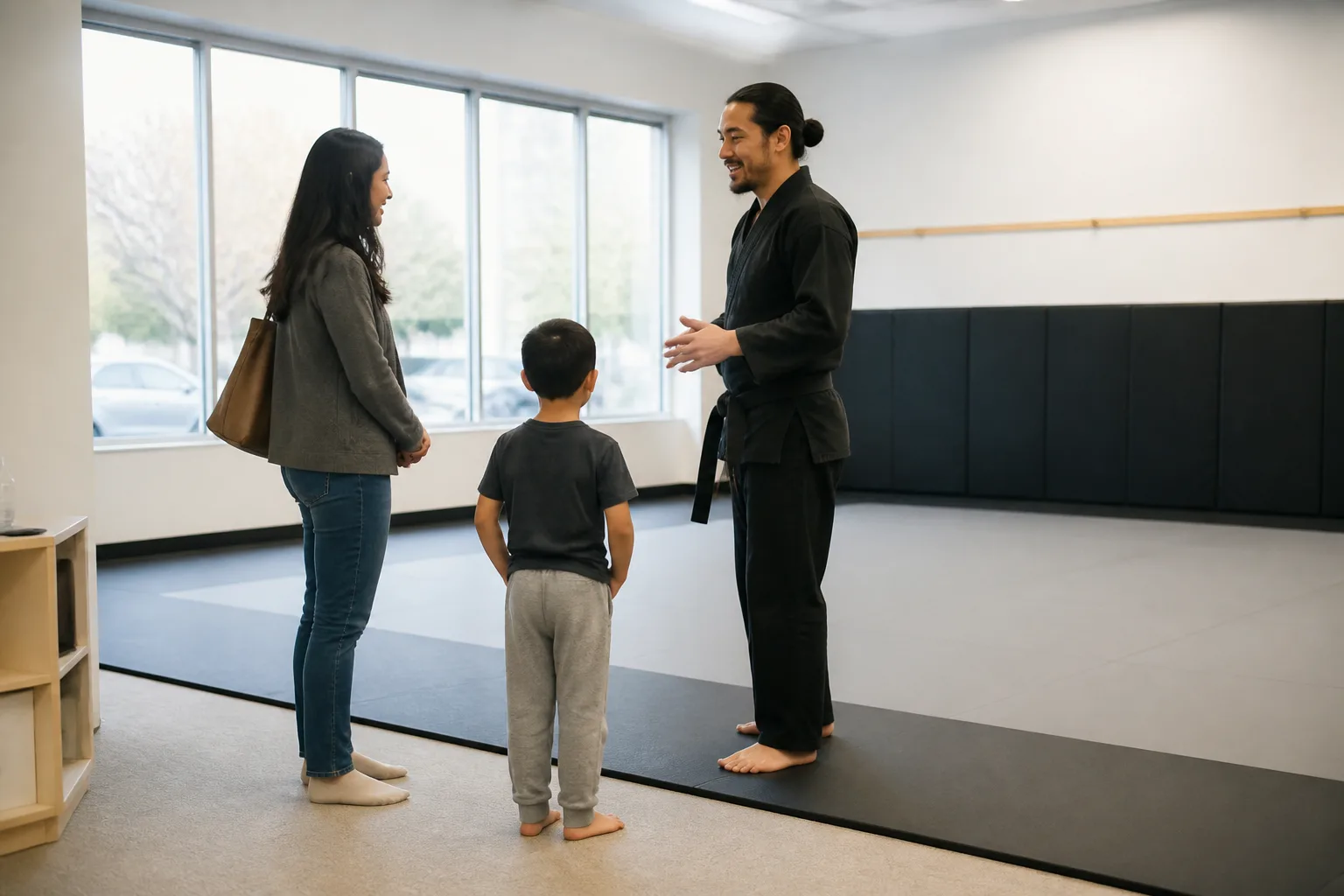
At week one, make sure your child knows how to stop a drill and how to find the instructor. At week two, ask how partners are assigned and check if your child can explain the rules of contact they were taught.
Wait to buy equipment until you know the exact approved type and fit. If the school starts talking about grading, ask for the specific criteria, the timing, and the fees first.
Be realistic about the weekly commitment. A drive from Burnaby to New Westminster or Surrey to Langley can feel very different during after-school rush hour. When calculating the time commitment, include time for changing, waiting, and pickup, rather than just looking at the class minutes.
Finally, keep the school's cancellation contact info handy and have an alternate person designated for pickups. If an injury, a behaviour issue, or an uncomfortable interaction happens, write down exactly what occurred and use the school's official reporting process immediately. Do not wait until you run into them in a busy doorway.