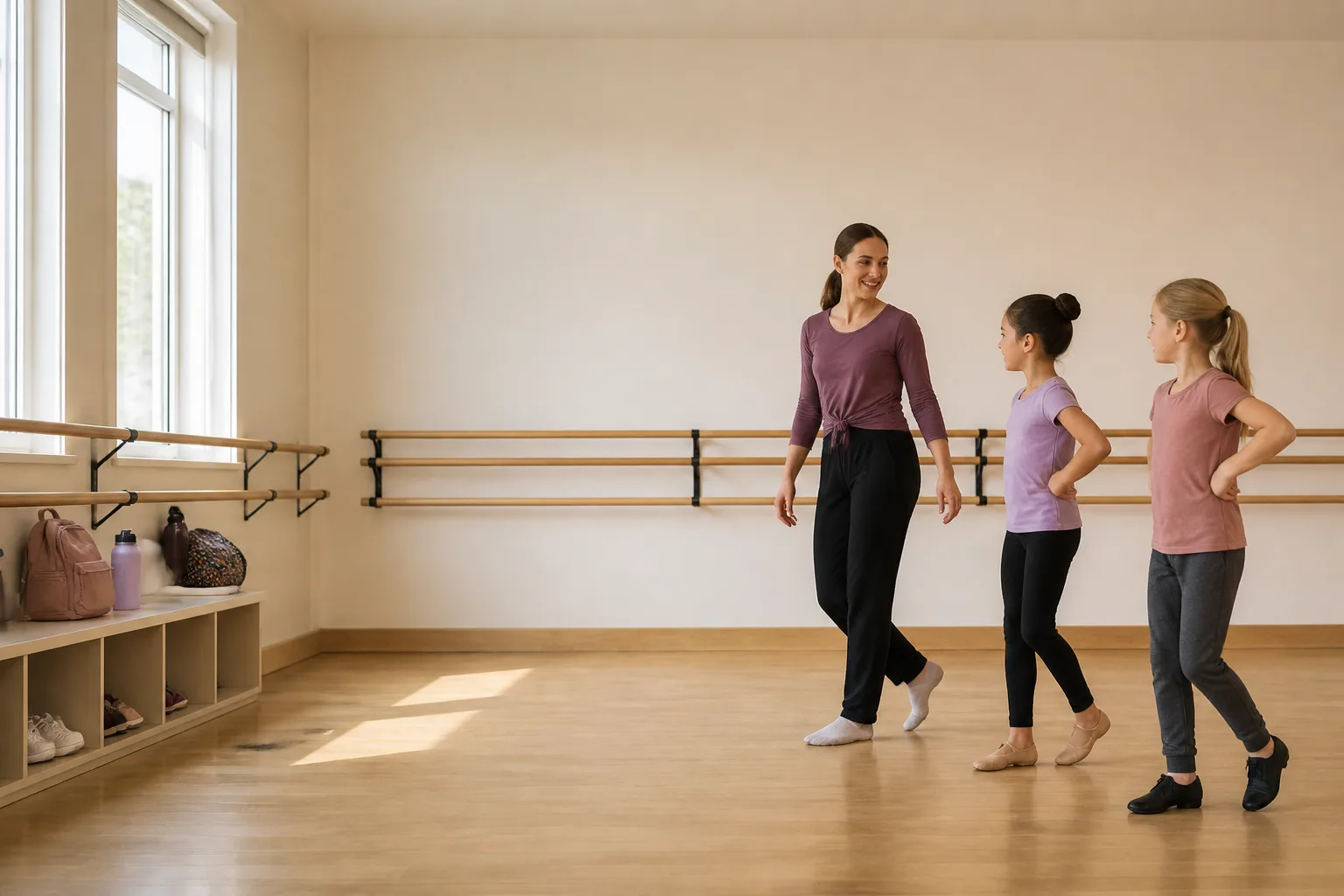
The first class is usually as much an introduction to the room, the teacher, and the group as it is an assessment of a dance style. Before you go, find out if the session is a trial, a placement class, or the actual first lesson of a registered term so your child knows what to expect from the day.
Arrival
Finding the right room
Confirm the specific branch, the entrance, the changing arrangements, and the exact arrival time. Studios often run several classes at once, so you need to know where children check in and where parents are expected to wait. Dress your child according to the studio's specific first-day instructions. Do not buy specialized dance shoes until the studio makes the specific requirements clear.
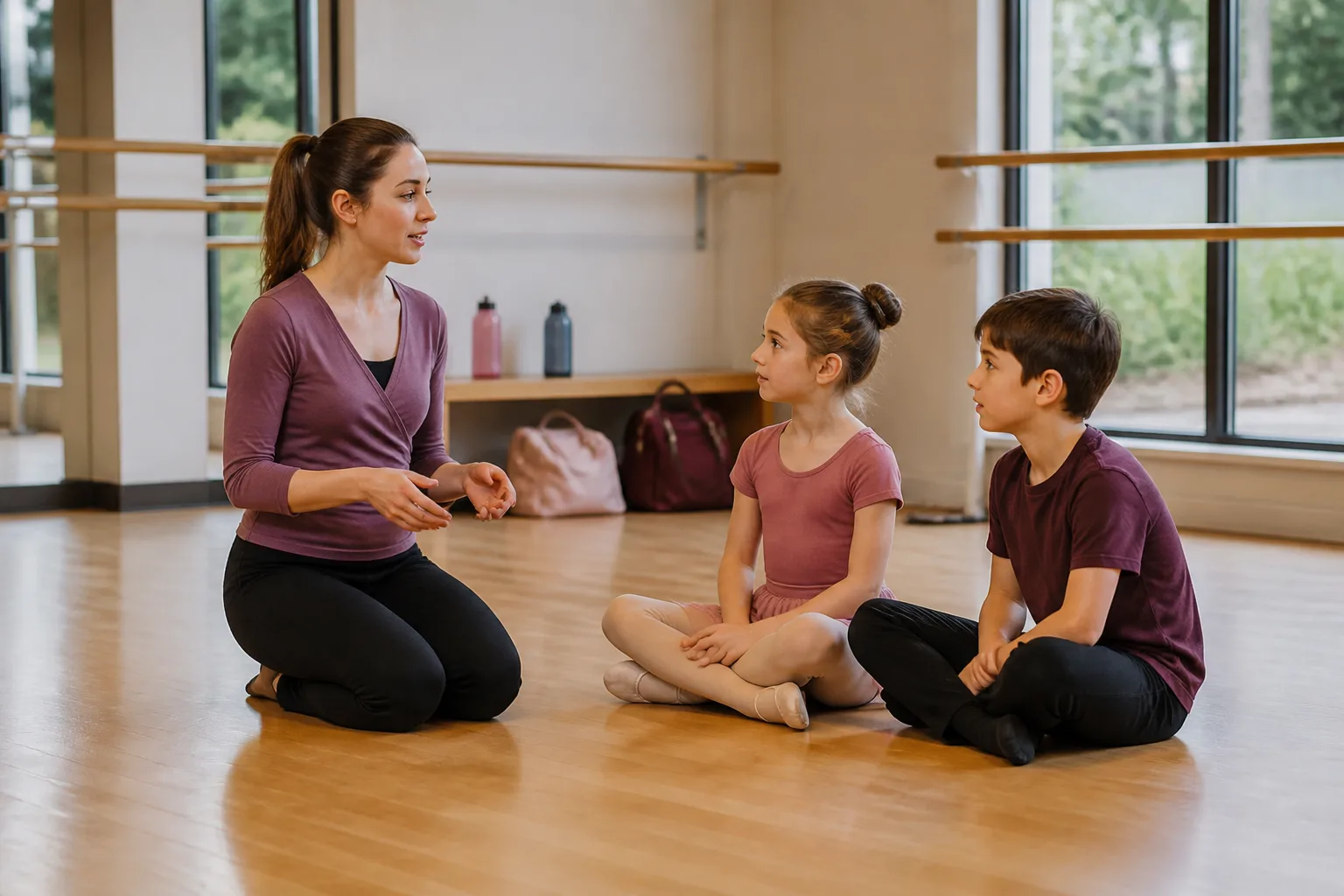
Joining the group
Use the studio's preferred communication channel to briefly tell the teacher about any relevant experience, access needs, or difficult transitions your child might be facing. Ask if a hesitant child is allowed to watch the class first and when the accompanying adult is expected to leave the room. Avoid having a long conversation in the doorway, as this can delay the entire class. It is better to arrange detailed discussions in advance.
During class
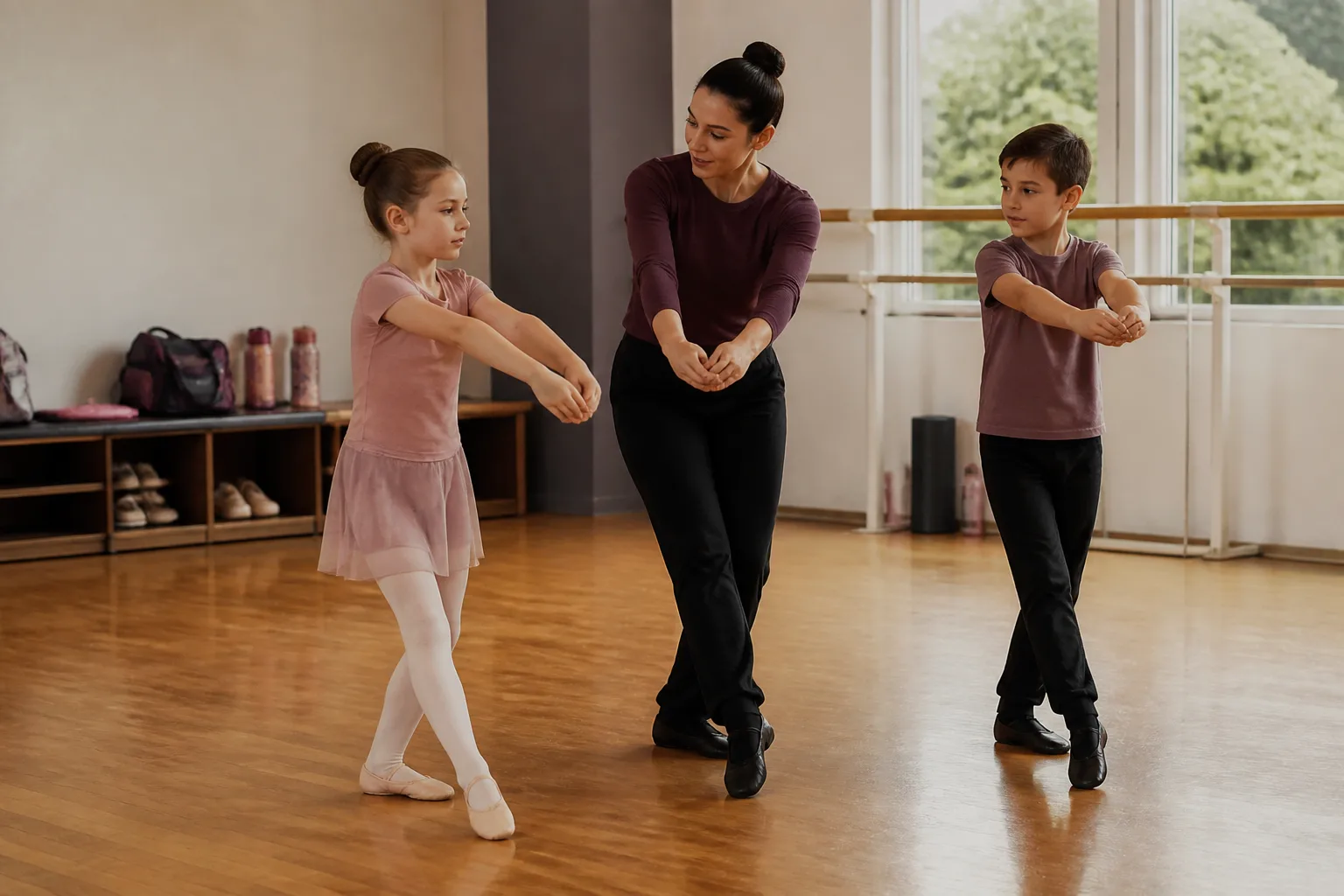
A beginner session might include a warm-up, repeated foundational movements, traveling steps, a short sequence, and a closing activity, but the order changes depending on the age and the style of dance. Ask the provider for the actual structure of their classes. Keep in mind that children may spend time learning studio routines or waiting for their turn as much as they spend actual moving.
Feedback and pace
Watch how the teacher demonstrates instructions and how they respond when a child misses a step. The most useful question to answer is whether your child can understand the teaching and recover from mistakes, rather than whether every movement is technically correct on day one.
After class
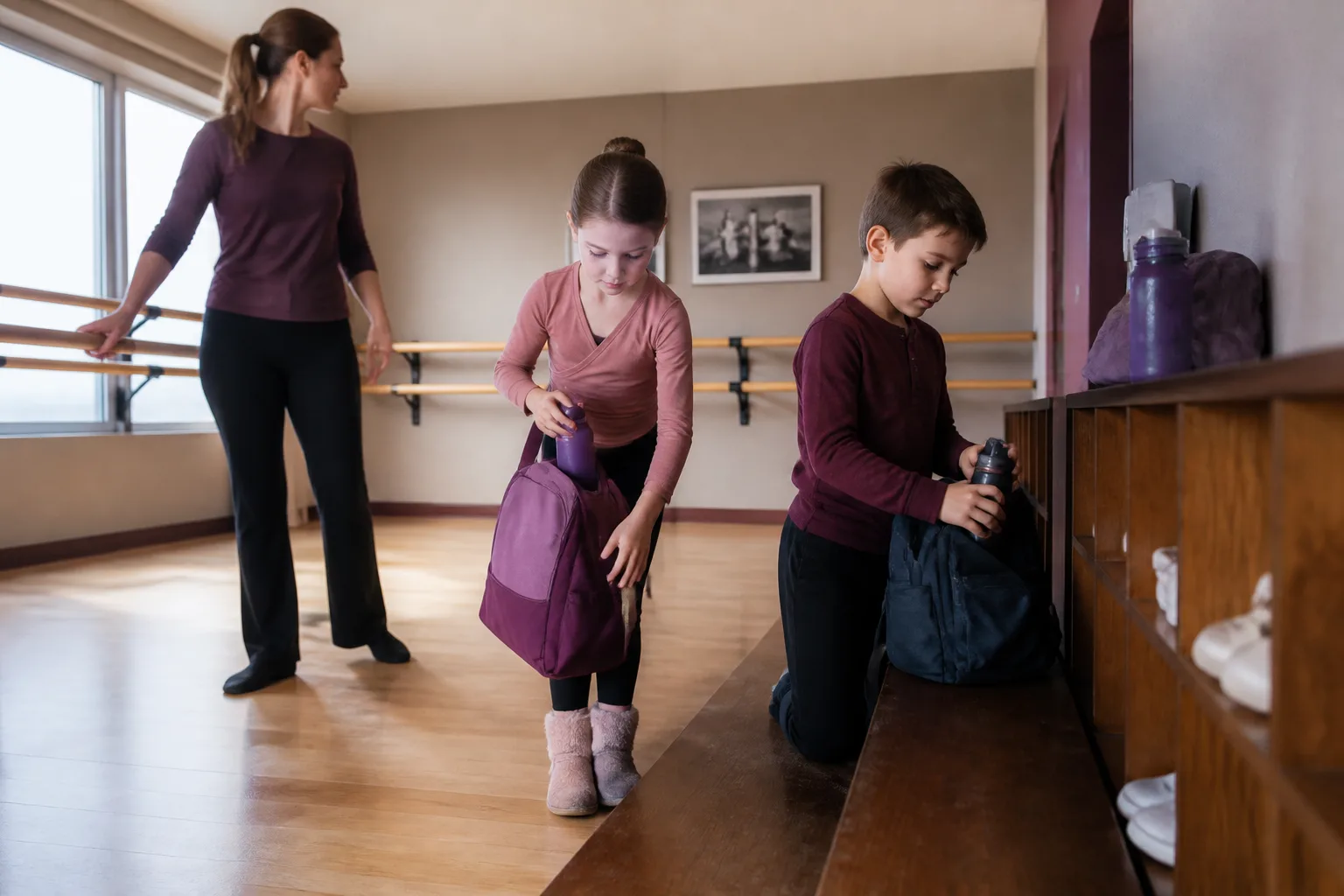
Confirm the pickup procedure and make sure to collect your child promptly. Only ask what they should practice at home if the teacher specifically expects home practice. Once you are out, check in with your child about how they felt about the music, the pace, the teacher, and the other dancers. Even if they have a preferred dance style, it might not be a good fit for the specific level or schedule offered.
Before continuing
Review the term dates, attendance policy, dress code, performance expectations, and all fees. If the placement feels wrong, ask if there is a different age group, level, or class type available. Avoid buying costumes or committing to extra rehearsals until you fully understand the programme.
Arts Umbrella in Vancouver, Chilliwack Gymnastics and Dance, and Abbotsford Dance Center are directory starting points. You should confirm current classes, locations, and first-day procedures directly with the providers.
Read the first class carefully
A child who spends ten minutes just watching may be learning the layout of the room rather than rejecting dance entirely. Ask the teacher how they invite participation without being forceful. On the other hand, a child who copies every step might still be confused by corrections or uncomfortable with the music. Instead of only asking if class was fun, try asking "Could you hear the teacher?" and "What happened when someone made a mistake?"
If the class is part of a recital term, ask when choreography begins and whether joining late changes your child's role in the performance. For families traveling from Sardis into Chilliwack or across Richmond or Vancouver, verify that arrival and pickup procedures remain the same when overlapping classes are busy. Reassess how it is going after several sessions before buying anything beyond the required basics.