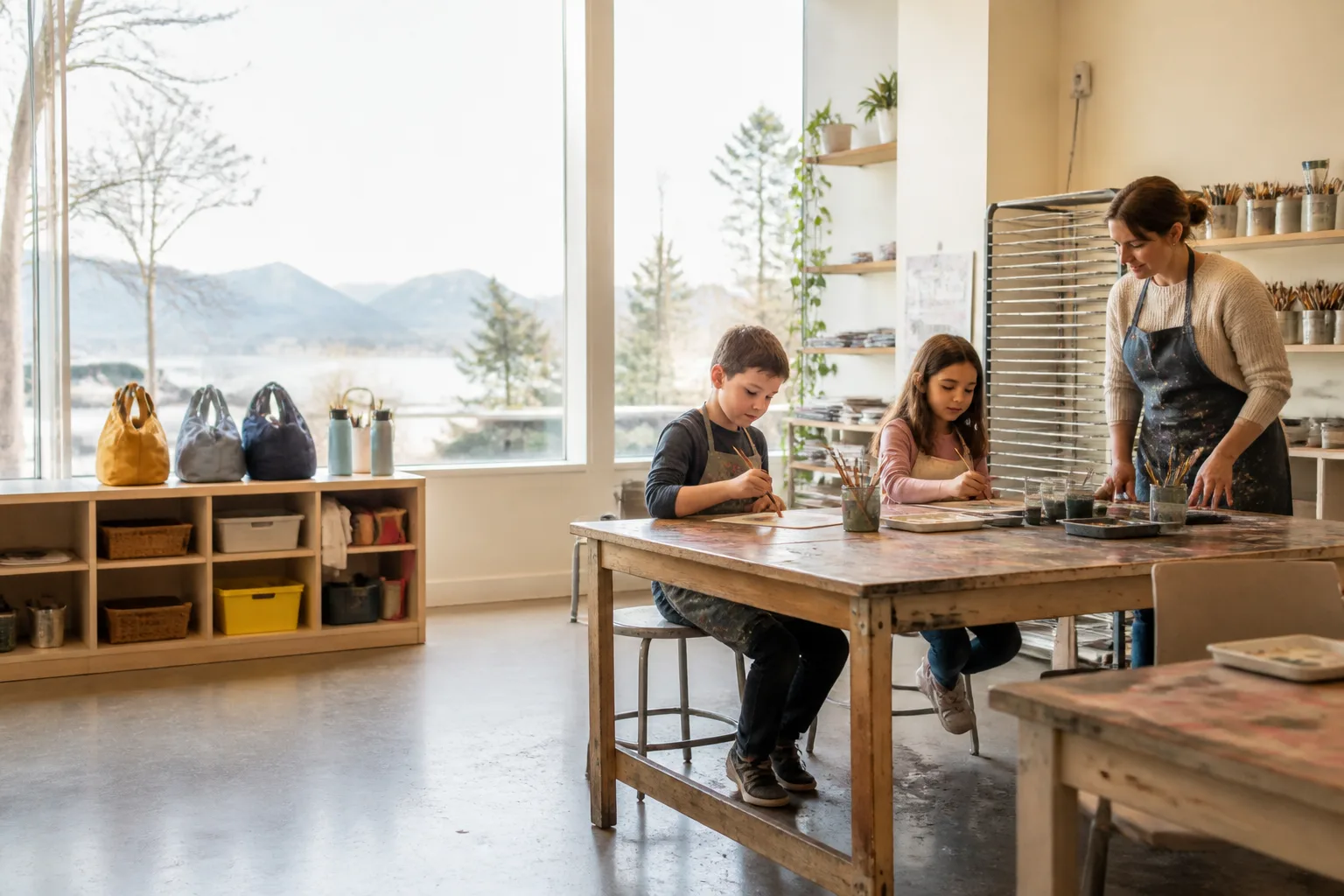
Art classes can get messy. You might deal with wet paint, clay, digital tools, or items that need to stay at the studio for a while. Before you pack a bag, find out exactly what the session involves. Rules regarding clothing, adult supervision, and pickup can vary depending on whether the class is in Langley, Surrey, White Rock, or Vancouver.
Confirm the booking
Creo Art Studio in White Rock provides various classes, workshops, and camps. Arts Umbrella runs multiple programs in Vancouver, and Amaze Arts in Surrey offers art activities in several different formats. Make sure you know the exact program name, the location, the age range, and the specific dates.
Check these details: - Is this class specifically for beginners? - Is it a drop-off session, a parent-and-child class, or do adults need to wait nearby? - Does the price cover a single workshop or a full series? - Is there a required form or an advance check-in process? - Who is authorized to collect the child?
Check materials and clothing
- Are all supplies included in the fee?
- Does the child need to bring their own sketchbook, kit, or electronic device?
- Will they be using messy materials like paint, clay, or glue?
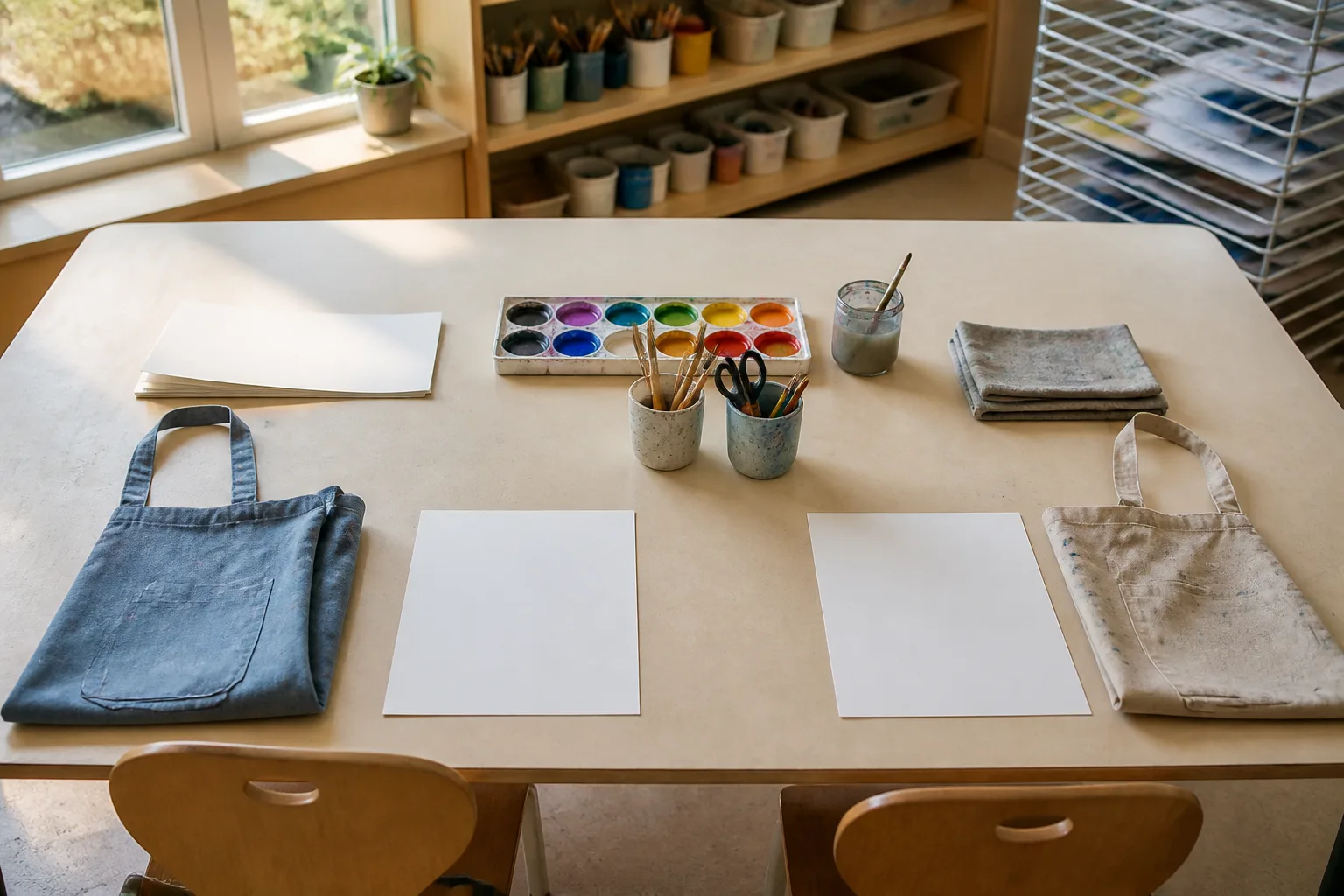
- Will the studio provide aprons?
- Do projects require drying, firing, or a later pickup?
Do not go out and buy supplies until you have the instructor's specific list. Pack clothes that can handle being stained by the materials expected, and make sure everything is labeled. A spare layer is a good idea, but try not to bring too many unnecessary items into a crowded classroom.
Prepare for the teaching format
Find out if children follow a single demonstration or if they get to choose from various materials. It is helpful to let the provider know about your child's previous experience and if they need extra help with specific tools, instructions, or transitions. If your child gets anxious about "doing it wrong," ask if they will see a sample project and how much variation from that sample is expected.
Ask about the class size and how instructors manage students working at different speeds. You should also know what happens if a child finishes their project early or if a project takes more than one session to complete.
Plan arrival and pickup
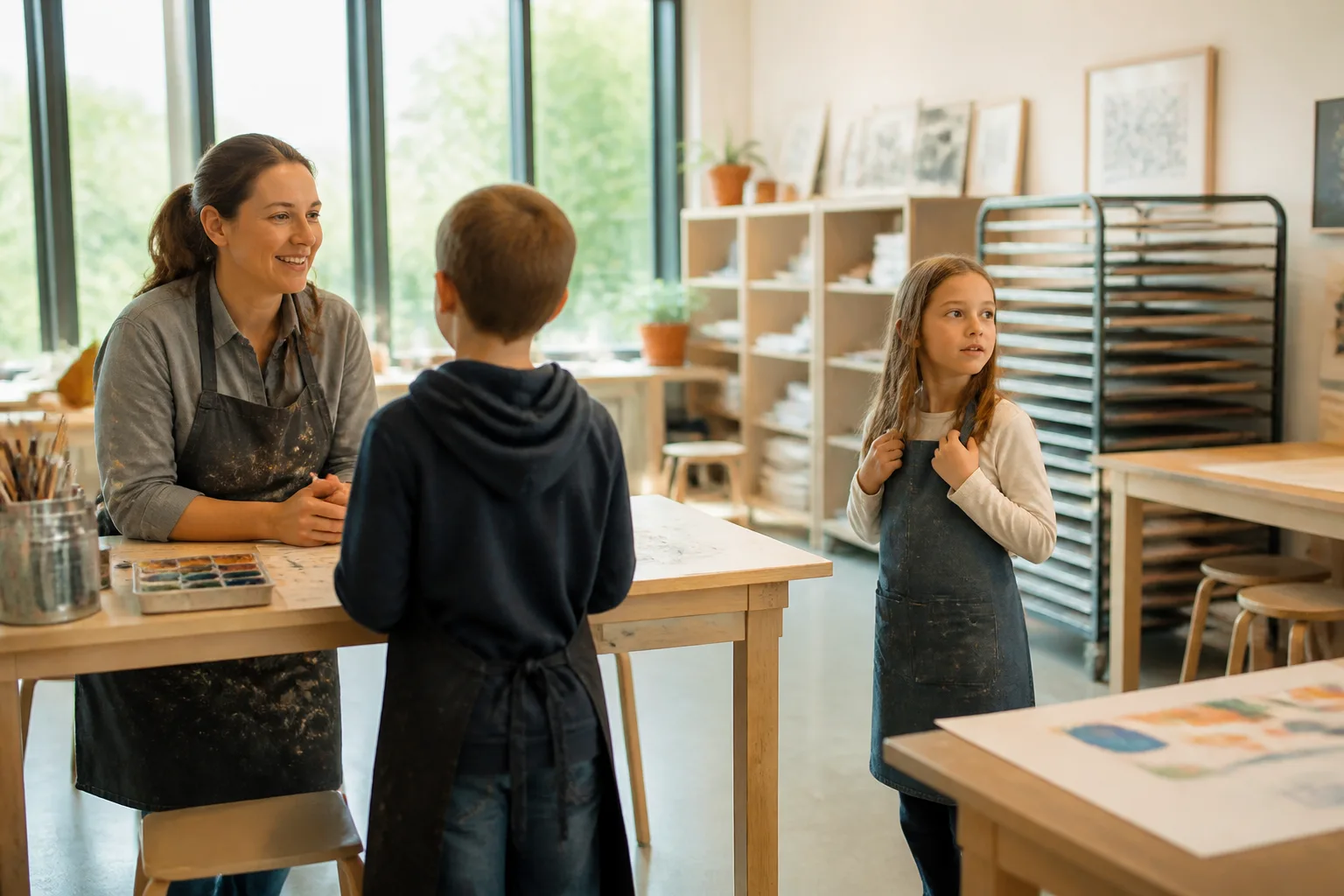
If the arts organization is in a large building, find the specific entrance and classroom before you arrive. Aim to get there early enough for your child to store their things and listen to the opening instructions. Ask where adults are supposed to wait and if you need to stay within reach.
When it is time for pickup, allow enough time to receive any instructions from the instructor. Keep in mind that wet or fragile work might stay in a tray, remain at the studio to dry, or need to be picked up on a different date. Only bring a carrier if the studio specifically recommends it.
After the first class
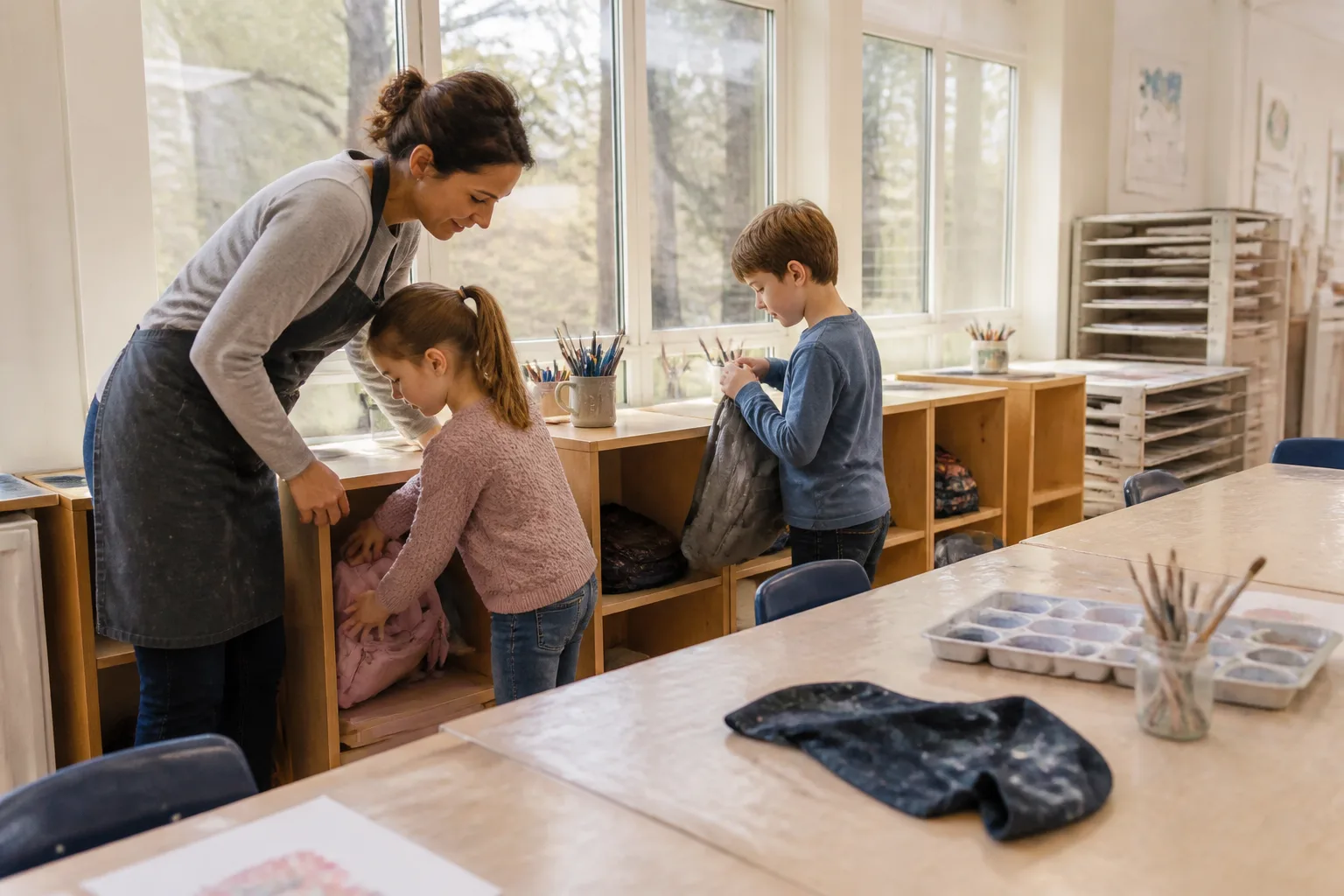
Once the class is over, ask your child what they worked on, which instructions were difficult, and if they felt they had choices in their work. Check with the instructor about what materials are needed for the next session or if anything needs to be brought from home. If you are planning to commit to a longer term, confirm the policies regarding missed classes, withdrawals, and materials before you pay.
The goal of a first class isn't to produce a perfect piece of art. The real success is knowing that the child understood the process, got the help they needed, and actually wants to come back to work on it.
Before the next session, take a photo or label any projects left at the studio and note the date they can be collected. If multiple adults are involved in pickups, ensure everyone knows whether the work is coming home, staying to dry, or requires a separate trip.