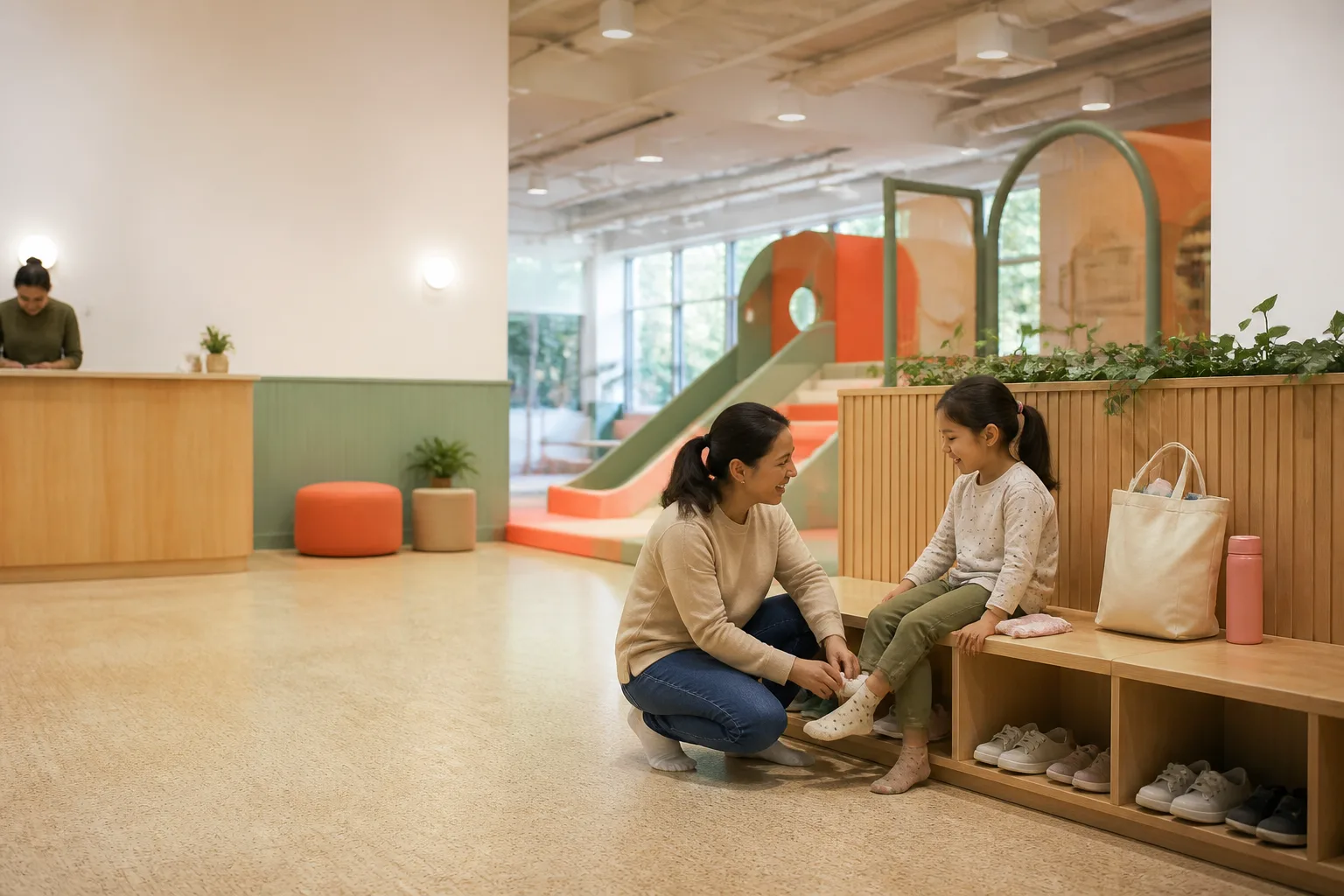
The price you see in an advertisement is rarely the total amount you will spend on a household outing. To find the true cost, you have to look past the headline and compare the same booking types across different venues. You should factor in the number of children and adults, required socks, optional attractions, and the length of the session. A weekday toddler entry and a weekend mixed-age booking will likely have different inclusions.
Start with admission units
You need to know exactly what the base price covers. Is the pricing per child, based on age groups, a flat fee per household, or tied to a specific timed session? Confirm how infants, non-playing siblings, and adults are counted in the total. It is also worth finding out if a second caregiver arriving later will require their own separate ticket.
Go Bananas Indoor Playcenter in Langley, HANABABY WORLD in New Westminster and INNOPLAY in North Vancouver represent different local options. You should use the current booking terms for each specific venue; do not assume a rule you remember from one place applies to another.
Identify required extras
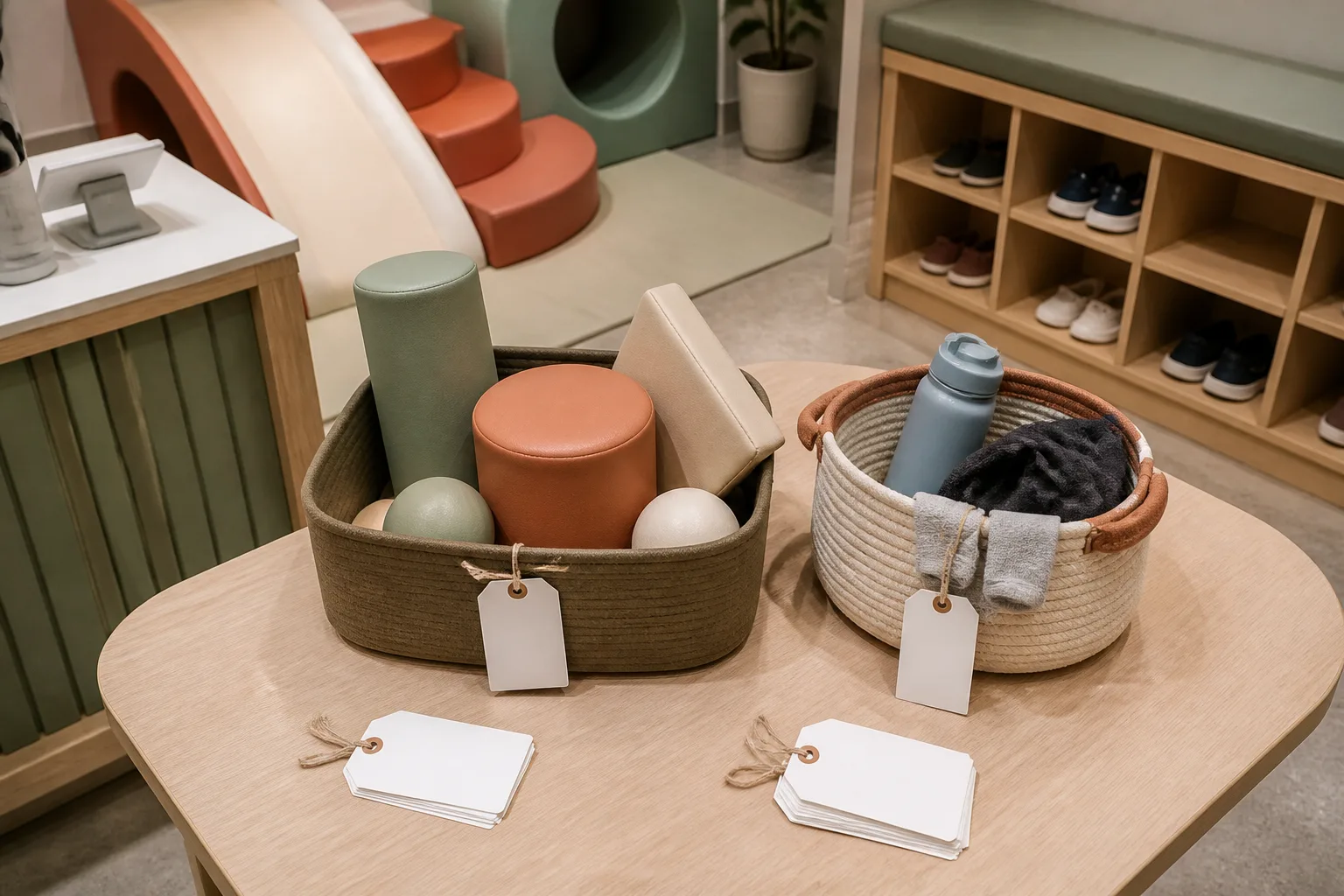
Costs like grip socks, waivers, booking fees, or lockers often sit outside the initial admission price. Ask the venue if previously purchased socks are reusable or if they have specific requirements regarding condition or branding. You should also check if optional games or specific attractions require a separate payment.
Don't forget to include parking, transit, and travel time when planning a regional trip. For a family driving from Surrey, a lower ticket price at a venue further away might not actually reduce your total commitment once you factor in the travel.
Compare time fairly
Establish exactly when a timed session starts: is it at the time you booked, at check-in, or once you enter the play floor? You should also ask whether shoe changes and safety instructions are included within the paid period and whether the venue allows re-entry after a food break.

An unlimited-day ticket and a short timed session cannot be compared by price alone. You have to consider how long your child will actually play and whether the venue supports taking breaks.
Separate ordinary visits, passes and parties
A multi-visit pass can lower the cost per visit, but only if the specific branch, expiry date, and blackout terms work for your family. It is often wise to try the venue once before committing to a pass. Check whether the pass belongs to a single child, a specific household, or is valid at only one location.
Party packages vary widely in their combinations of play time, room or table time, guest counts, and hosting services. Always request the required minimum guest count and ask what happens if extra children show up. You should not use party pricing as a way to estimate the cost or supervision requirements of ordinary open play.

Build a household comparison
For each venue you are considering, record the following details:
- required child and adult admission;
- mandatory footwear or equipment;
- included and separately paid attractions;
- usable play time and re-entry rules;
- travel and parking costs; and
- cancellation or rescheduling terms.
Once you have this data, compare the total costs against how much each child can actually use the venue. The lowest total price is not necessarily the best value if the youngest child cannot access the main play area or if an adult must purchase extra attractions just to supervise.
Keep your comparisons dated because admission rules change frequently. Recheck the details before a return visit, especially during school breaks. If refunds depend on specific notice periods or illness rules, include that risk in your calculation rather than assuming every unused booking can be easily moved.